

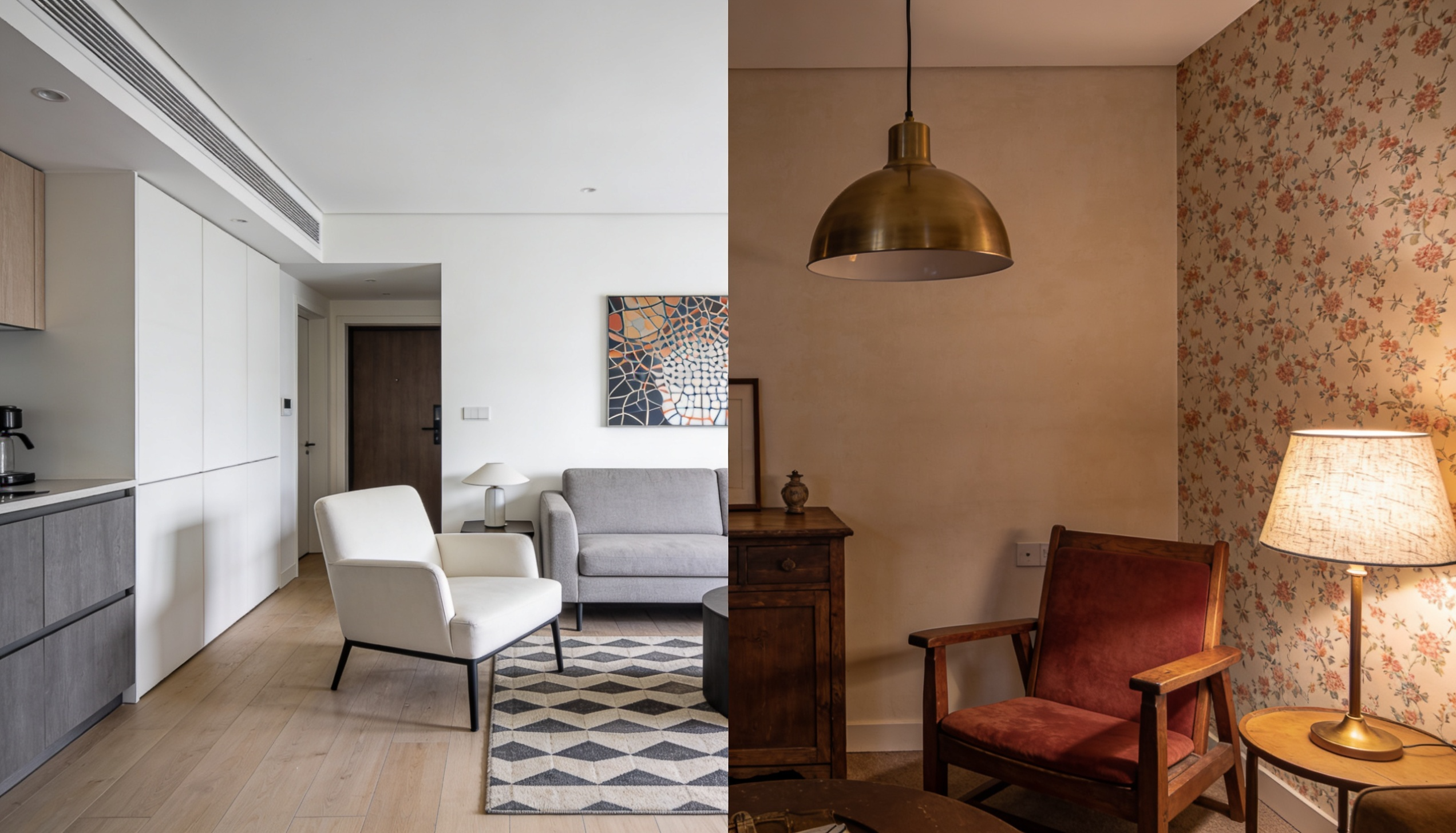
Understanding Serviced Accommodation
Serviced accommodation refers to fully furnished properties that are available for short-term stays, often catering to business travelers, tourists, or individuals in need of temporary housing. These properties typically offer hotel-like amenities, such as housekeeping, Wi-Fi, and sometimes even meals, making them a convenient option for guests seeking a home-like experience without the commitment of a long-term lease.
Key features of serviced accommodation include:
- Fully Furnished: Properties come equipped with furniture, kitchen appliances, and essential household items.
- Flexible Booking: Guests can book stays ranging from a few nights to several months, depending on their needs.
- Hotel-Like Services: Many serviced accommodations offer additional services such as cleaning, laundry, and concierge services.
- Location: Often situated in prime areas, these accommodations are close to business districts, tourist attractions, and public transport.
The target audience for serviced accommodation includes corporate clients looking for temporary housing solutions, tourists seeking a comfortable stay, and individuals relocating for work or personal reasons. This diverse clientele drives the demand for serviced accommodation, making it a potentially lucrative investment for property owners.
What is Buy-to-Let?
Buy-to-let (BTL) is a property investment strategy where an individual purchases a property with the intention of renting it out to tenants. This model has gained popularity among investors looking to generate a steady income stream from rental payments. The properties can range from single-family homes to multi-unit buildings, catering to various tenant demographics.
Key features of buy-to-let properties include:
- Long-Term Rentals: Typically leased for a minimum of six months to a year, providing a stable income over time.
- Tenant Management: Landlords are responsible for finding and managing tenants, including handling maintenance and repairs.
- Property Appreciation: Investors can benefit from potential increases in property value over time, providing capital gains upon sale.
- Tax Benefits: Landlords may be eligible for tax deductions on mortgage interest, maintenance costs, and property management fees.
The target audience for buy-to-let investments includes seasoned property investors, first-time buyers looking to enter the rental market, and individuals seeking to diversify their investment portfolios. With the right property in a desirable location, buy-to-let can offer a reliable source of income and long-term financial benefits.
Comparing Profitability: SA vs BTL
When evaluating the profitability of serviced accommodation (SA) versus buy-to-let (BTL), several factors come into play. The revenue potential of each model can vary significantly based on location, management efficiency, and market demand.
Serviced accommodation often has a higher revenue potential due to its ability to charge premium rates for short-term stays. For instance, a serviced apartment in a city center may command nightly rates that far exceed the monthly rent of a traditional buy-to-let property. However, this model also comes with higher management costs, including cleaning, maintenance, and utilities.
On the other hand, buy-to-let properties generally provide a more stable and predictable income stream. Monthly rent payments can be budgeted, and with long-term tenants, landlords can avoid the frequent turnover associated with short-term rentals. However, the revenue from BTL may be lower compared to SA, especially in areas with less demand for rental properties.
Factors affecting profitability include:
- Location: Properties in high-demand areas tend to generate higher rental income, whether for short-term or long-term stays.
- Market Demand: Economic conditions and local tourism can significantly impact the occupancy rates of serviced accommodations.
- Management Efficiency: Effective property management can enhance profitability, reducing vacancy rates and operational costs.
- Regulatory Environment: Local laws regarding short-term rentals can affect the feasibility and profitability of serviced accommodation.
Ultimately, the choice between serviced accommodation and buy-to-let will depend on your financial goals, risk tolerance, and the specific property market conditions in your area.
Short-Term vs Long-Term Let: Which is Better?
Choosing between short-term and long-term lets involves weighing the advantages of each model against your investment strategy and market conditions.
Advantages of short-term lets include:
- Higher Income Potential: Short-term rentals can yield significantly higher nightly rates compared to long-term leases, especially in tourist-heavy areas.
- Flexibility: Owners can adjust pricing and availability based on market demand, maximizing rental income during peak seasons.
- Personal Use: Property owners can use the accommodation for personal stays when not rented out, providing a dual benefit.
However, short-term lets come with challenges such as higher management demands, increased wear and tear on the property, and potential regulatory hurdles.
On the other hand, advantages of long-term lets include:
- Stable Income: Long-term leases provide consistent monthly income, making it easier to budget and plan financially.
- Lower Management Effort: With fewer tenant turnovers, landlords spend less time managing the property and dealing with tenant issues.
- Less Market Volatility: Long-term rentals are less affected by seasonal fluctuations in demand, providing more predictable cash flow.
Market demand for each type of rental can vary based on location and economic conditions. In urban areas with high tourist traffic, short-term lets may thrive, while suburban areas may see more demand for long-term rentals. Understanding your target market and local trends is crucial in making the right choice.
Costs and Expenses: A Breakdown
Understanding the financial implications of serviced accommodation and buy-to-let investments is essential for making informed decisions. Both models involve initial investment costs and ongoing expenses that can impact profitability.
Initial investment costs for serviced accommodation typically include:
- Property Purchase: The cost of acquiring the property, which can vary widely based on location and type.
- Furnishing and Setup: Expenses for furnishing the property, including furniture, appliances, and decor to meet guest expectations.
- Licensing and Permits: Costs associated with obtaining necessary licenses for operating a serviced accommodation.
In contrast, initial investment costs for buy-to-let properties may include:
- Property Purchase: Similar to serviced accommodation, this is the primary expense and varies by market.
- Renovation Costs: Upgrading or repairing the property to attract tenants and meet safety standards.
- Legal Fees: Costs for conveyancing and other legal services associated with property acquisition.
Ongoing expenses for both models can include:
- Maintenance and Repairs: Regular upkeep is necessary for both serviced accommodation and buy-to-let properties.
- Utilities: Costs for water, electricity, gas, and internet services, which can be higher in serviced accommodation due to frequent guest turnover.
- Management Fees: If using a property management service, this can significantly impact overall profitability.
- Insurance: Comprehensive insurance coverage is essential for protecting your investment from potential liabilities.
By carefully analyzing these costs and expenses, you can better assess the financial viability of each investment model and make an informed decision that aligns with your financial goals.
Legal Considerations and Regulations
For serviced accommodation, licensing requirements can vary by location. Many cities require specific permits to operate short-term rentals, often involving safety inspections and compliance with local zoning laws. Failure to comply with these regulations can result in fines or the revocation of your rental license.
Landlord obligations for buy-to-let properties are also significant. Landlords must ensure their properties meet safety standards, including gas and electrical safety checks, and must provide tenants with a secure living environment. Additionally, landlords are required to protect tenant deposits in a government-approved scheme and comply with tenancy laws, which can vary across regions.
Regulatory differences between serviced accommodation and buy-to-let can further complicate matters. While buy-to-let properties are generally subject to standard rental laws, serviced accommodation may face stricter regulations due to their transient nature. Understanding these differences is essential for avoiding legal pitfalls and ensuring compliance.
Case Studies: Success Stories
Examining successful examples of both serviced accommodation and buy-to-let investments can provide valuable insights for potential investors.
One notable success story in serviced accommodation comes from a property owner in London who converted a multi-bedroom flat into a serviced apartment. By investing in high-quality furnishings and marketing the property on platforms like Airbnb, they achieved an occupancy rate of over 80%, significantly exceeding the income potential of a traditional rental. This case highlights the importance of location and effective marketing in maximizing revenue.
In the buy-to-let sector, a property investor in Manchester purchased a two-bedroom apartment in a growing neighborhood. By carefully managing the property and maintaining a good relationship with tenants, they achieved a steady rental income and saw the property value appreciate by 30% over five years. This case underscores the benefits of long-term planning and tenant management in the buy-to-let market.
Lessons learned from these cases include the importance of understanding market demand, investing wisely, and maintaining properties to attract and retain tenants or guests. Whether pursuing serviced accommodation or buy-to-let, thorough research and strategic planning are essential for success.
Making the Right Choice for You
Determining the best investment strategy between serviced accommodation and buy-to-let requires careful consideration of your financial goals and risk tolerance.
Assessing your financial goals involves understanding what you hope to achieve through property investment. Are you looking for immediate cash flow, or are you more interested in long-term appreciation? Each model offers different benefits, and aligning your investment strategy with your goals is crucial.
Evaluating your risk tolerance is equally important. Serviced accommodation may present higher risks due to market fluctuations and management demands, while buy-to-let offers more stability but potentially lower returns. Understanding your comfort level with these risks can guide your decision-making process.
Ultimately, choosing the right investment strategy will depend on your individual circumstances, market conditions, and personal preferences. Consulting with a financial advisor or property investment expert can provide additional clarity and help you make an informed decision.
Conclusion: Which Investment is Right for You?
In summary, both serviced accommodation and buy-to-let properties offer unique advantages and challenges. Serviced accommodation can provide higher revenue potential but comes with increased management responsibilities and regulatory considerations. Conversely, buy-to-let investments offer stability and predictability but may yield lower returns.
Your decision should be based on a thorough analysis of your financial goals, risk tolerance, and the specific property market conditions. If you’re considering investing in property, whether serviced accommodation or buy-to-let, it’s essential to seek expert advice to navigate the complexities of the market.
Contact us today to discuss your investment options and find out how we can help you achieve your property investment goals.
Frequently Asked Questions
What are the main differences between serviced accommodation and buy-to-let?
Serviced accommodation offers short-term stays, while buy-to-let focuses on long-term rentals. SA typically has higher revenue potential but also higher management costs.
Is serviced accommodation more profitable than buy-to-let?
Profitability depends on location, management, and market demand. In high-demand areas, serviced accommodation can yield higher returns.
What are the risks associated with serviced accommodation?
Market volatility can affect occupancy rates. Higher operational costs due to maintenance and management are also significant considerations.
How do I choose between serviced accommodation and buy-to-let?
Consider your investment goals and risk tolerance. Evaluate your ability to manage properties effectively to make the best choice.
What legal regulations should I be aware of for each option?
Serviced accommodation may require specific licenses. Buy-to-let landlords must comply with tenancy laws and safety regulations.