

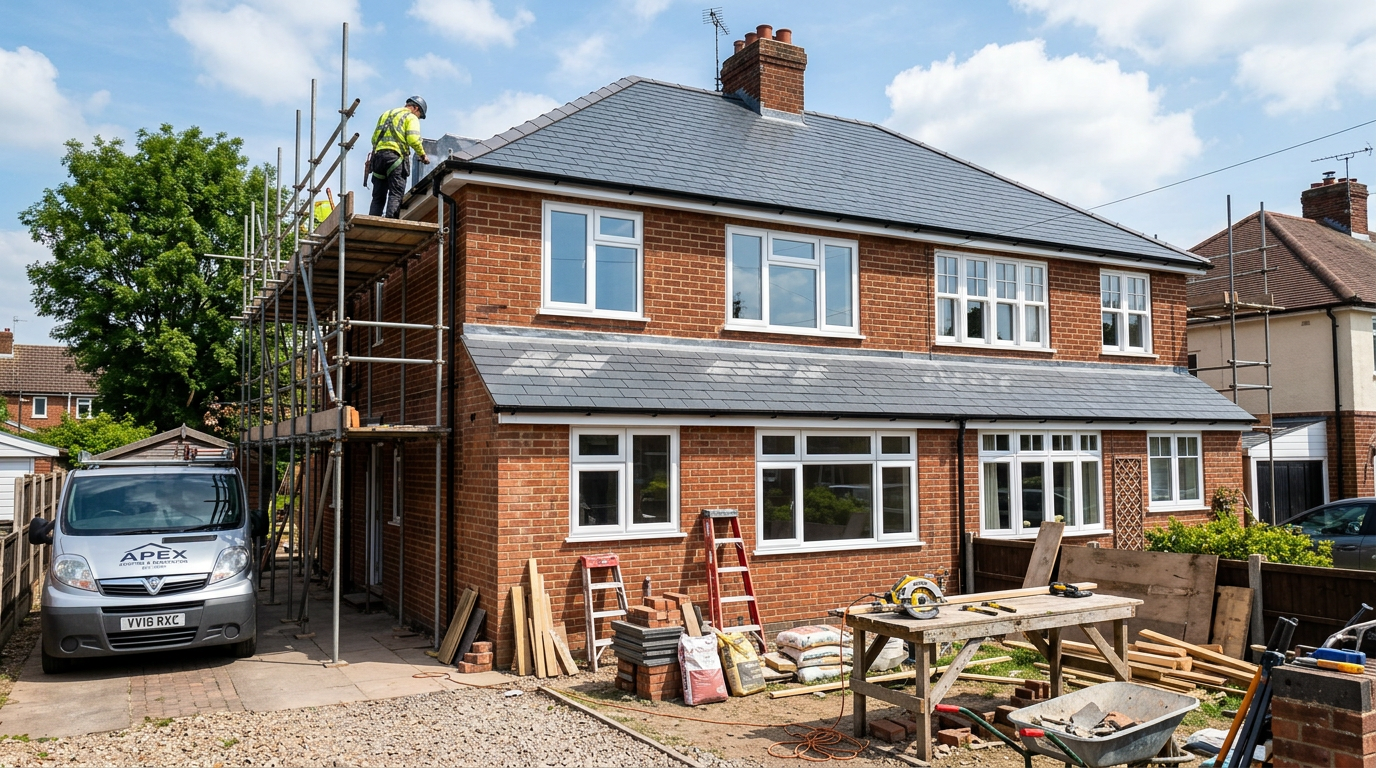
Understanding New Roof Refurbishment Bridging Loans
A new roof refurbishment bridging loan is a short-term financing solution designed to cover the costs associated with urgent roof repairs or replacements. Unlike traditional loans, which often require extensive documentation and a lengthy approval process, refurbishment bridging loans are tailored for quick access to funds. They are typically secured against the property and can be arranged in a matter of days, making them ideal for homeowners who need immediate financial support for essential repairs.
The primary distinction between refurbishment bridging loans and traditional loans lies in their purpose and structure. Traditional loans are often used for long-term financing needs, such as purchasing a home or refinancing an existing mortgage. In contrast, refurbishment bridging loans are specifically intended for short-term projects, allowing homeowners to address urgent repairs without the delays associated with conventional lending processes. This flexibility makes them an attractive option for individuals facing unexpected roofing issues, such as leaks or structural damage.
Furthermore, refurbishment bridging loans typically come with higher interest rates compared to traditional loans, reflecting the increased risk and shorter repayment terms. However, the speed and ease of access to funds can outweigh these costs, especially when urgent repairs are necessary to maintain the safety and integrity of a home. Whether it’s a complete roof replacement or significant repairs, a new roof refurbishment bridging loan can provide the financial support needed to ensure a home remains safe and livable.
Why You Might Need a Bridging Loan for Roof Replacement
There are several scenarios where homeowners might find themselves in urgent need of a roof replacement, making a bridging loan a viable financial solution. One common situation is when a roof suffers sudden damage due to severe weather conditions, such as storms or heavy snowfall. These unexpected events can lead to leaks, structural issues, or even complete roof failure, necessitating immediate action to prevent further damage to the property.
Another scenario involves the discovery of significant wear and tear during routine property inspections. Homeowners may not always be aware of underlying issues until they become apparent, leading to costly repairs if not addressed promptly. In such cases, a bridging loan can provide the necessary funds to replace the roof before the damage escalates, potentially saving homeowners from more extensive and expensive repairs down the line.
Financially, using a bridging loan for roof replacement can be advantageous. Since these loans are designed for short-term use, homeowners can secure funding quickly and avoid the lengthy approval processes associated with traditional loans. This speed is crucial when dealing with urgent repairs, as delays can lead to further damage and increased costs.
Additionally, bridging loans can often be arranged with flexible repayment terms, allowing homeowners to focus on their immediate needs without the stress of long-term financial commitments. Once the roof is replaced, homeowners can refinance into a traditional mortgage or pay off the bridging loan using insurance claims or proceeds from the sale of the property. This strategic approach can help manage cash flow while ensuring that urgent repairs are not neglected.
How to Secure a Roof Replacement Bridge Loan
Securing a roof replacement bridge loan involves several steps, each designed to ensure that the borrower meets the lender’s criteria while facilitating a smooth application process. Here’s a step-by-step guide to obtaining this type of financing:
- Assess Your Needs: Determine the total cost of the roof replacement project, including materials, labor, and any additional expenses. This will help you understand how much funding you need.
- Research Lenders: Look for lenders that specialize in bridging loans. Compare their terms, interest rates, and fees to find the best option for your needs.
- Prepare Documentation: Gather necessary documents, including proof of property ownership, details about the roof condition, and estimates from contractors. Lenders may also require financial statements to assess your ability to repay the loan.
- Submit Your Application: Complete the application process with your chosen lender. This typically involves filling out forms and providing the documentation you prepared.
- Property Valuation: The lender will conduct a valuation of your property to determine its worth and ensure it can secure the loan. This step is crucial as it affects the loan amount you can receive.
- Loan Approval: Once your application is reviewed, and the property is valued, the lender will make a decision. If approved, you will receive a loan offer detailing the terms and conditions.
- Receive Funds: Upon acceptance of the loan offer, funds will be released, allowing you to proceed with the roof replacement.
Throughout this process, clear communication with your lender is essential. Be prepared to answer any questions they may have and provide additional documentation if requested. By being organized and proactive, you can streamline the application process and secure the funding needed for your roof replacement.
Window Replacement Finance Options
When it comes to financing window replacements, homeowners have several options beyond bridging loans. Understanding these alternatives can help you make an informed decision about the best financing method for your needs. Here’s an overview of the most common financing options:
- Personal Loans: These unsecured loans can be used for various home improvement projects, including window replacements. They typically have fixed interest rates and repayment terms, making budgeting easier. However, interest rates may be higher than secured loans.
- Home Equity Loans: If you have built up equity in your home, a home equity loan allows you to borrow against that equity. This option often comes with lower interest rates compared to personal loans, but it requires sufficient equity and can take longer to process.
- Home Improvement Financing Programs: Some manufacturers and retailers offer financing options specifically for home improvements. These programs may include promotional rates or deferred payments, making them an attractive option for homeowners looking to replace windows.
- Credit Cards: For smaller projects, using a credit card can be a convenient option. Many credit cards offer rewards and cash back, but be cautious of high-interest rates if the balance is not paid off quickly.
- Bridging Loans: As discussed, bridging loans can also be utilized for window replacements, especially if the need arises suddenly. They provide quick access to funds, allowing homeowners to address urgent needs without delay.
When comparing these options, consider factors such as interest rates, repayment terms, and the total cost of borrowing. Bridging loans may be ideal for urgent replacements, while personal loans or home equity loans might be better suited for planned renovations. Assessing your financial situation and project timeline will help you choose the most appropriate financing method.
External Refurb Bridging in the UK: Key Considerations
The market for external refurbishments in the UK has seen significant growth, driven by increasing awareness of energy efficiency, property value enhancement, and the need for modernized living spaces. When considering external refurb bridging loans, there are several key factors to keep in mind:
- Market Trends: The demand for external refurbishments is on the rise, particularly for energy-efficient upgrades such as new windows, insulation, and roofing. Homeowners are increasingly looking to improve their properties to enhance comfort and reduce energy bills.
- Legal and Regulatory Factors: Understanding local regulations and building codes is crucial when planning external refurbishments. Some projects may require planning permission or adherence to specific guidelines, especially in conservation areas or for listed buildings.
- Loan Terms and Conditions: Different lenders may offer varying terms for external refurb bridging loans. It’s essential to review these conditions carefully, including interest rates, repayment periods, and any associated fees.
- Property Value Considerations: Lenders will assess the potential increase in property value resulting from the refurbishment. A well-planned project can significantly enhance a property’s marketability, making it easier to refinance or sell in the future.
- Exit Strategies: Before securing a bridging loan, consider your exit strategy. Whether you plan to sell the property, refinance into a long-term mortgage, or use the increased value for further investments, having a clear plan will help you navigate the loan process smoothly.
By staying informed about market trends and understanding the legal landscape, homeowners can make strategic decisions regarding external refurbishments. This proactive approach can lead to successful projects that enhance property value and improve living conditions.
Pros and Cons of Using Bridging Loans for Home Refurbishments
Bridging loans can be an effective financing option for home refurbishments, but they come with both advantages and disadvantages. Understanding these pros and cons can help homeowners make informed decisions about their financing options.
Advantages
- Quick Access to Funds: Bridging loans are designed for speed, allowing homeowners to access funds within days. This is particularly beneficial for urgent repairs or time-sensitive projects.
- Flexible Repayment Options: Many lenders offer flexible repayment terms, which can be tailored to fit the borrower’s financial situation. This flexibility can ease the financial burden during the refurbishment process.
- Secured Against Property: Bridging loans are typically secured against the property, which may allow borrowers with less-than-perfect credit to qualify for financing.
- Potential for Increased Property Value: Successfully completing a refurbishment can significantly enhance a property’s market value, providing a return on investment when selling or refinancing.
Disadvantages
- Higher Interest Rates: Bridging loans often come with higher interest rates compared to traditional loans, reflecting the increased risk and short-term nature of the financing.
- Short Repayment Terms: The short repayment period can create pressure on borrowers to repay the loan quickly, which may not be feasible for everyone.
- Risk of Default: If not managed properly, borrowers may face the risk of default, leading to potential loss of the property. It’s crucial to have a clear exit strategy in place.
- Fees and Charges: Bridging loans may come with various fees, including arrangement fees, valuation fees, and legal costs, which can add to the overall expense of the loan.
By weighing these pros and cons, homeowners can better assess whether a bridging loan is the right choice for their refurbishment needs. It’s essential to consider individual financial situations and project requirements before proceeding.
Case Studies: Successful Roof and Window Refurbishments
Real-life examples can provide valuable insights into the effectiveness of bridging loans for roof and window refurbishments. Here are a few case studies that highlight successful projects:
Case Study 1: Urgent Roof Replacement
A family in Manchester discovered severe leaks in their roof after a heavy storm. Faced with the risk of further damage to their home, they turned to a bridging loan to fund the urgent roof replacement. The loan was approved within days, allowing them to hire a contractor immediately. The new roof not only resolved the leaks but also improved the property’s energy efficiency. Once the project was completed, they refinanced into a traditional mortgage, successfully paying off the bridging loan.
Case Study 2: Window Replacement for Energy Efficiency
A homeowner in London wanted to replace old, drafty windows to improve energy efficiency and reduce heating costs. They opted for a bridging loan to finance the project, which allowed them to proceed quickly without depleting their savings. The new windows significantly lowered energy bills and enhanced the home’s aesthetic appeal. After the successful installation, the homeowner was able to refinance their mortgage, using the increased property value to pay off the bridging loan.
Case Study 3: Comprehensive External Refurbishment
A property investor purchased a run-down property in need of extensive external refurbishment, including roof and window replacements. To finance the project, they secured a bridging loan, which provided the necessary funds for the renovations. The investor completed the refurbishment within three months, significantly increasing the property’s market value. They then sold the property at a profit, successfully repaying the bridging loan and realizing a substantial return on investment.
These case studies illustrate how bridging loans can be effectively utilized for urgent home refurbishments. By securing quick financing, homeowners and investors can address critical repairs and improvements that enhance property value and livability.
Tips for Choosing the Right Bridging Loan Provider
Selecting the right bridging loan provider is crucial for a successful borrowing experience. Here are key factors to consider when evaluating potential lenders:
- Reputation and Experience: Research the lender’s reputation in the market. Look for reviews and testimonials from previous clients to gauge their reliability and customer service.
- Loan Terms: Compare the terms offered by different lenders, including interest rates, repayment periods, and any associated fees. Ensure that the terms align with your financial situation and project timeline.
- Flexibility: Choose a lender that offers flexible repayment options and is willing to work with you to tailor the loan to your needs.
- Transparency: Ensure the lender provides clear information about all fees and charges associated with the loan. Avoid lenders that are vague about costs or terms.
- Customer Support: Evaluate the level of customer support provided by the lender. A responsive and knowledgeable team can make the borrowing process smoother and more manageable.
Before making a decision, it’s advisable to ask potential lenders specific questions about their processes, fees, and any concerns you may have. Taking the time to choose the right provider can lead to a more positive borrowing experience and successful project completion.
Frequently Asked Questions About Bridging Loans
What is a new roof refurbishment bridging loan?
A new roof refurbishment bridging loan is a short-term loan to finance urgent roof repairs or replacements.
How quickly can I get a bridging loan for roof refurbishment?
Typically within a few days, depending on the lender’s process.
Are there specific requirements for window replacement finance?
Yes, lenders often require proof of property value and renovation plans.
What are the risks associated with bridging loans?
Higher interest rates and potential for default if not managed properly.
Can I use a bridging loan for other home improvements?
Yes, bridging loans can be used for various home refurbishments beyond roofs and windows.