

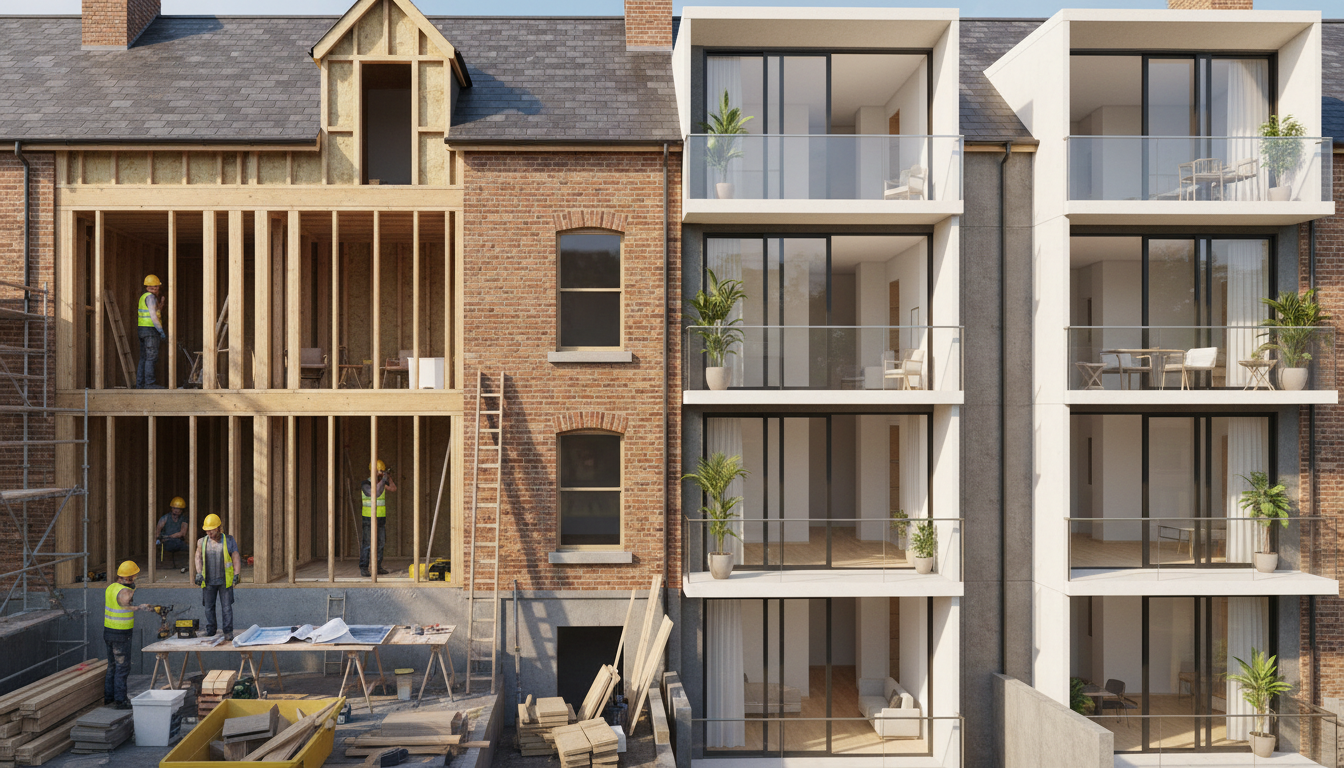
Understanding House to Flats Bridging Loans
A house to flats bridging loan is a short-term financing solution designed specifically for property developers and investors looking to convert a residential house into multiple flats. This type of loan provides the necessary capital to cover the costs associated with the conversion process, including renovations, planning permissions, and other related expenses. Bridging loans are particularly appealing due to their speed and flexibility, allowing borrowers to access funds quickly and efficiently.
Bridging loans operate on the principle of providing temporary financing until a more permanent solution, such as a traditional mortgage, can be secured. When converting a house into flats, the borrower typically uses the equity in the existing property as collateral. The lender evaluates the property’s potential value post-conversion, which can significantly influence the loan amount and terms offered.
In the UK, the process of obtaining a bridging loan for a house conversion often involves a thorough assessment of the property’s current state, the proposed plans for conversion, and the expected return on investment. Lenders may require detailed project plans, including architectural drawings and cost estimates, to ensure the project is viable. This type of financing is ideal for developers who need to act quickly in a competitive property market, allowing them to secure properties, complete renovations, and ultimately sell or rent the newly created flats.
Benefits of Using a Bridging Loan for Conversion
Utilizing a bridging loan for converting a house into flats offers several advantages that can significantly enhance the project’s feasibility and profitability. Here are the key benefits:
- Quick Access to Funds: Bridging loans are known for their fast approval times, often allowing borrowers to access funds within days. This speed is crucial in property development, where delays can lead to lost opportunities. For instance, if a property is available at a competitive price, having quick access to capital can enable you to secure it before others do.
- Flexibility in Repayment Terms: Bridging loans typically offer flexible repayment options, allowing borrowers to choose between interest-only payments or rolled-up interest. This flexibility can be beneficial during the conversion process, as it allows developers to manage cash flow effectively while the property is being renovated.
- Potential for Increased Property Value: Converting a house into flats can significantly increase the property’s value. By leveraging a bridging loan, developers can transform a single-family home into multiple rental units, thus maximizing rental income potential. This increased value can lead to a substantial return on investment, making the initial loan costs worthwhile.
- Less Stringent Eligibility Criteria: Compared to traditional mortgages, bridging loans often have more lenient eligibility requirements. Lenders focus more on the property’s potential value and the borrower’s exit strategy rather than their credit history or income. This makes it easier for developers to secure financing, especially if they have a solid plan for the conversion project.
- Opportunity for Value-Added Projects: Bridging loans allow investors to capitalize on undervalued properties that require renovation. By converting a house into flats, investors can tap into the growing demand for rental properties, particularly in urban areas where housing supply is limited.
Key Considerations Before Applying for a Bridging Loan
Before applying for a house to flats bridging loan, it is essential to understand the key considerations that can affect the loan process and overall project success:
- Eligibility Criteria: Lenders typically assess the borrower’s experience in property development, the proposed project’s viability, and the property’s current and projected value. Having a solid business plan and a clear understanding of the conversion process can enhance your chances of approval.
- Interest Rates and Fees: Bridging loans usually come with higher interest rates compared to traditional mortgages. Borrowers should be prepared for these costs, which can vary significantly between lenders. Additionally, there may be arrangement fees, valuation fees, and legal costs associated with securing the loan.
- Loan-to-Value Ratios: The loan-to-value (LTV) ratio is a critical factor in determining how much you can borrow. Most lenders will offer between 60% to 75% of the property’s value, depending on its condition and the proposed conversion plans. Understanding your property’s current value and its potential post-conversion value is crucial for determining the loan amount you can secure.
- Exit Strategy: Lenders will want to know how you plan to repay the loan. Common exit strategies include refinancing into a long-term mortgage once the conversion is complete or selling the newly created flats. Having a clear exit strategy can improve your chances of securing the loan.
The Process of Obtaining a Bridging Loan
The process of obtaining a bridging loan for converting a house into flats involves several key steps:
- Initial Consultation: Begin by consulting with a bridging loan specialist or lender to discuss your project. This initial meeting will help you understand the loan options available and the lender’s requirements.
- Application Submission: Once you have selected a lender, you will need to complete an application form. This will typically require details about your finances, the property, and your proposed conversion plans.
- Documentation Required: Prepare the necessary documentation, which may include proof of identity, income statements, property valuation reports, and detailed project plans. The more comprehensive your documentation, the smoother the application process will be.
- Property Valuation: The lender will conduct a valuation of the property to assess its current value and potential post-conversion value. This step is crucial in determining the loan amount and terms.
- Approval and Offer: If the lender is satisfied with your application and the property valuation, they will issue a loan offer. Review the terms carefully before accepting.
- Completion and Funding: Upon acceptance of the loan offer, the funds will be released, allowing you to commence the conversion project. Ensure that you have a clear timeline for the conversion and repayment to avoid any issues.
Comparison: Bridging Loans vs. Traditional Mortgages
When considering financing options for converting a house into flats, it is essential to understand the differences between bridging loans and traditional mortgages:
- Speed of Approval: Bridging loans are designed for quick access to funds, with approval often occurring within days. In contrast, traditional mortgages can take several weeks or even months to process.
- Flexibility: Bridging loans offer more flexible repayment terms, allowing borrowers to choose between interest-only payments or rolled-up interest. Traditional mortgages typically require consistent monthly repayments over a longer term.
- Eligibility Requirements: Bridging loans are generally more accessible for borrowers with less-than-perfect credit or those without a steady income. Traditional mortgages usually have stricter eligibility criteria, including credit checks and income verification.
- Loan Amounts: Bridging loans often provide a higher percentage of the property’s value compared to traditional mortgages, which can be beneficial for property conversions that require substantial upfront investment.
For example, a developer looking to convert a house into flats may secure a bridging loan for 70% of the property’s value, allowing them to cover renovation costs quickly. In contrast, a traditional mortgage may only cover 60% of the value and require a lengthy application process.
Case studies of successful conversions highlight the advantages of bridging loans. For instance, a developer who purchased a dilapidated house for £300,000 and used a bridging loan to convert it into three flats valued at £600,000 demonstrated the potential for significant profit. The quick access to funds allowed them to complete the project in under six months, maximizing their return on investment.
Real-Life Examples of Successful House Conversions
Examining real-life case studies can provide valuable insights into the benefits and challenges of converting a house into flats using bridging loans:
One notable example is a property developer who acquired a Victorian house in London for £500,000. Utilizing a house to flats bridging loan, they converted the property into four separate flats, investing an additional £200,000 in renovations. The project took approximately eight months to complete, and upon completion, the flats were valued at £1.2 million collectively.
The financial outcomes were impressive; after repaying the bridging loan, the developer retained a significant profit margin and increased rental income from the newly created flats. This case illustrates the potential for substantial returns when leveraging bridging finance for property conversions.
Lessons learned from this project include the importance of thorough market research, understanding local demand for rental properties, and ensuring that all necessary planning permissions are secured before commencing work. Additionally, having a reliable team of contractors and project managers can streamline the conversion process and mitigate potential delays.
Tips for a Successful Property Conversion Project
To maximize the success of your property conversion project, consider the following tips:
- Choosing the Right Location: The location of your property plays a crucial role in its rental potential. Research areas with high demand for flats, considering factors such as proximity to public transport, schools, and amenities.
- Working with Contractors: Collaborate with experienced contractors who have a proven track record in property conversions. Ensure they understand your vision and can deliver quality work within the agreed timeframe.
- Managing Budgets Effectively: Create a detailed budget that includes all costs associated with the conversion, such as materials, labor, and permits. Monitor expenses closely to avoid overspending and ensure the project remains financially viable.
- Securing Necessary Permits: Before starting any work, ensure that you have obtained all necessary planning permissions and building regulations approvals. This will prevent delays and potential legal issues down the line.
Frequently Asked Questions About House to Flats Bridging Loans
What is a house to flats bridging loan?
A house to flats bridging loan is a short-term loan for converting a house into multiple flats.
How quickly can I get a bridging loan?
Typically within a few days, depending on the lender and documentation.
What are the interest rates for bridging loans?
Rates vary, but they are generally higher than traditional mortgages.
Can I use a bridging loan for other types of property conversions?
Yes, bridging loans can be used for various property conversion projects.
What happens if I can’t repay the bridging loan on time?
You may face penalties, and the lender could take possession of the property.