

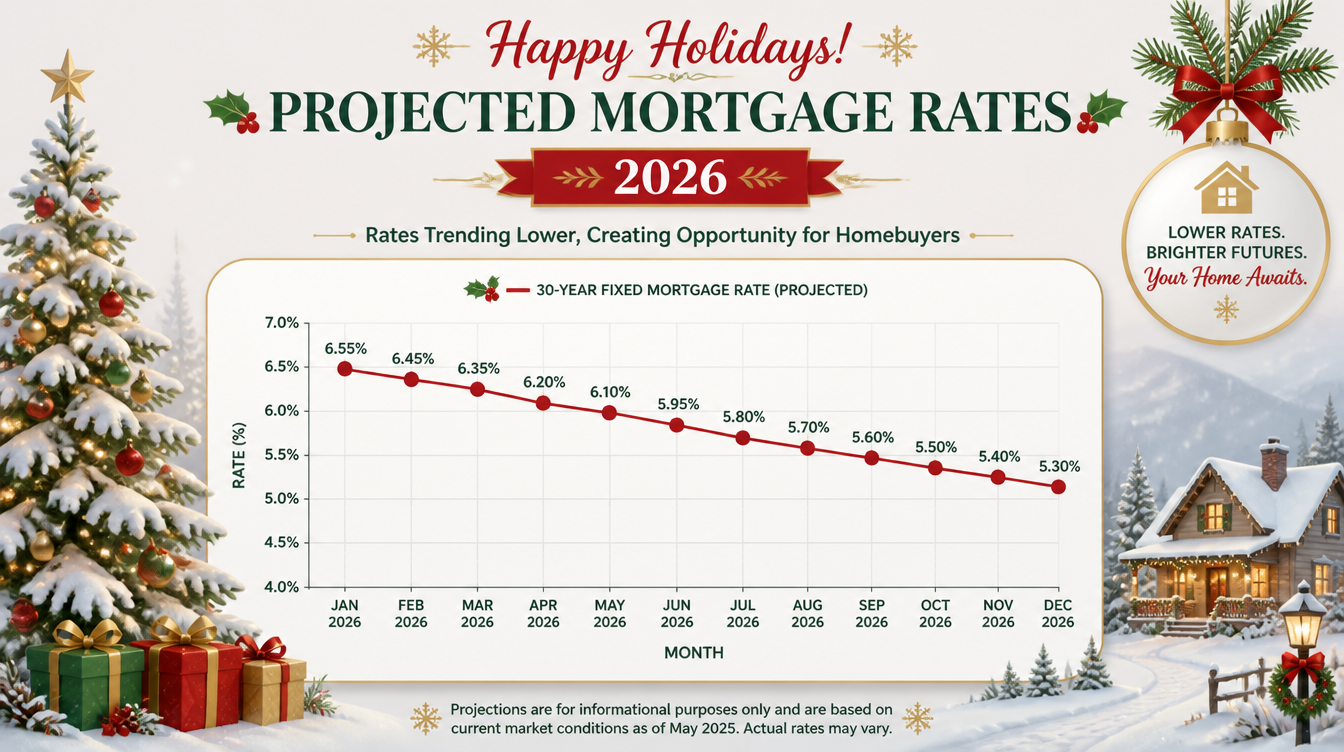
Understanding Holiday Let Mortgage Rates in 2026
Holiday let mortgage rates refer to the interest rates applied to loans specifically designed for purchasing properties intended for short-term rentals, such as vacation homes or holiday apartments. These mortgages differ from traditional residential mortgages, as they consider the potential rental income generated by the property. As we approach 2026, understanding the factors influencing these rates is crucial for potential buyers and investors in the holiday rental market.
Several key factors will shape holiday let mortgage rates in 2026:
- Economic Conditions: The overall state of the economy plays a significant role in determining mortgage rates. Factors such as inflation, employment rates, and GDP growth influence lenders’ decisions on interest rates. A robust economy typically leads to lower rates, while economic uncertainty can drive rates higher.
- Bank of England Base Rate: The Bank of England’s base rate directly affects mortgage rates across the UK. If the Bank raises rates to combat inflation, holiday let mortgage rates are likely to increase as well.
- Property Market Trends: The demand for holiday rentals can fluctuate based on market trends. A surge in demand for vacation properties can lead to increased competition among lenders, potentially lowering rates. Conversely, a decline in demand may result in higher rates as lenders seek to mitigate risk.
- Lender Competition: The number of lenders offering holiday let mortgages can influence rates. Increased competition often leads to more favorable terms for borrowers, while a limited number of lenders can result in higher rates.
- Regulatory Changes: Government policies and regulations regarding holiday lets can impact mortgage rates. For instance, stricter regulations on short-term rentals may deter investment, affecting demand and consequently, interest rates.
As we look towards 2026, understanding these factors will be essential for prospective buyers to navigate the holiday let mortgage landscape effectively.
Current Trends in Holiday Let Mortgage Rates
As of late 2023, holiday let mortgage rates have shown a dynamic trend influenced by various economic factors. Currently, rates for holiday let mortgages typically range from 3% to 5%, depending on the lender and the borrower’s financial profile. This is a notable increase compared to previous years, where rates hovered around 2% to 4%.
In 2022, the average holiday let mortgage rate was approximately 3.5%. The increase in rates can be attributed to several factors:
- Post-Pandemic Recovery: The recovery of the travel and tourism industry post-COVID-19 has led to an uptick in demand for holiday rentals, prompting lenders to adjust their rates accordingly.
- Inflationary Pressures: Rising inflation has compelled the Bank of England to increase the base rate, which in turn affects mortgage rates across the board.
- Market Demand: A growing interest in holiday lets as a viable investment option has resulted in increased competition among lenders, leading to more varied rates.
When comparing current rates to those from previous years, it is evident that while the market is recovering, potential borrowers must be prepared for higher costs than in the past. This shift necessitates careful financial planning and consideration of long-term investment strategies.
What Affects Holiday Let Mortgage Rates?
Understanding the various factors that influence holiday let mortgage rates is essential for potential buyers. Here are the primary elements to consider:
Economic Factors
The state of the economy significantly impacts mortgage rates. Economic indicators such as inflation, unemployment rates, and consumer confidence all play a role. For example, if inflation rises, the Bank of England may increase interest rates to control it, leading to higher mortgage rates.
Government Policies
Government regulations regarding property ownership, rental agreements, and taxation can influence mortgage rates. For instance, if the government introduces stricter regulations on short-term rentals, it may lead to a decrease in demand for holiday lets, prompting lenders to adjust their rates upward to mitigate risk.
Market Demand for Vacation Rentals
The demand for holiday rentals can fluctuate based on seasonal trends, economic conditions, and consumer preferences. A surge in demand, particularly in popular tourist destinations, can lead to increased competition among lenders, potentially lowering rates. Conversely, a decline in demand may result in higher rates as lenders seek to offset perceived risks.
Additionally, the popularity of platforms like Airbnb and Vrbo has made holiday rentals more accessible, further influencing market dynamics. Understanding these factors will help prospective buyers make informed decisions regarding their holiday let investments.
Predictions for Holiday Let Mortgage Rates in 2026
As we look ahead to 2026, several expert forecasts suggest that holiday let mortgage rates may continue to fluctuate based on economic conditions and market demand. Analysts predict a potential stabilization of rates around 4% to 6%, influenced by the following scenarios:
- Economic Recovery: If the economy continues to recover post-pandemic, we may see a gradual decrease in mortgage rates as lenders become more competitive.
- Inflation Control: Should inflation rates stabilize, the Bank of England may maintain or lower the base rate, leading to more favorable mortgage rates for borrowers.
- Increased Investment in Holiday Lets: As more investors enter the holiday rental market, competition among lenders could drive rates down, benefiting borrowers.
However, potential scenarios also exist where rates could rise, particularly if inflation remains unchecked or if economic instability arises. Buyers should prepare for these possibilities and consider locking in rates when favorable conditions present themselves.
Financing Your Holiday Home: Costs to Consider
When financing a holiday home, it is essential to understand the various costs involved beyond just the mortgage rate. Here’s a breakdown of the primary expenses to consider:
- Deposit: Most lenders require a deposit of at least 25% for holiday let mortgages. This upfront cost can significantly impact your overall investment.
- Mortgage Fees: Lenders may charge arrangement fees, valuation fees, and other administrative costs. These can range from a few hundred to several thousand pounds.
- Insurance: Holiday let properties typically require specialized insurance coverage, which can be more expensive than standard homeowner insurance.
- Maintenance and Management Fees: Ongoing maintenance, cleaning, and property management costs can add up, especially if you hire a management company to handle bookings and guest relations.
- Utilities and Council Tax: As a property owner, you will be responsible for utility bills and potentially higher council tax rates, depending on your local authority’s policies on short-term rentals.
Understanding these costs will help you create a comprehensive budget and ensure that your investment in a holiday home is financially viable.
Comparing Holiday Let Interest Rates in the UK
When considering a holiday let mortgage, it’s crucial to compare interest rates from various lenders to find the best deal. Here are some key factors to consider:
- Fixed vs. Variable Rates: Fixed-rate mortgages offer stability, as your interest rate remains constant for a set period. Variable rates may start lower but can fluctuate based on market conditions.
- Lender Reputation: Research lenders’ reputations and customer reviews. Established lenders may offer more reliable service and better support throughout the mortgage process.
- Loan Terms: Consider the length of the mortgage. Shorter terms may have higher monthly payments but lower overall interest costs, while longer terms can provide lower payments but more interest paid over time.
By carefully comparing these factors, you can select the best mortgage product that aligns with your financial goals and investment strategy.
Tips for Securing the Best Holiday Let Mortgage
Securing a favorable holiday let mortgage requires careful planning and preparation. Here are some actionable tips:
- Improve Your Credit Score: A higher credit score can lead to better mortgage rates. Pay down debts, ensure timely bill payments, and check your credit report for errors.
- Choose the Right Lender: Research multiple lenders and their offerings. Consider working with a mortgage broker who specializes in holiday let mortgages to find the best rates and terms.
- Prepare Your Financial Documents: Gather necessary documentation, including proof of income, tax returns, and details of your existing debts. A well-organized application can expedite the approval process.
By following these tips, you can enhance your chances of securing a favorable mortgage and make your holiday let investment a success.
The Impact of Location on Holiday Let Mortgage Rates
The location of your holiday let property significantly affects mortgage rates and overall investment potential. Here’s how location plays a role:
- Tourist Demand: Properties in popular tourist destinations often see higher demand, which can lead to lower mortgage rates due to increased competition among lenders.
- Local Regulations: Different regions may have varying regulations regarding short-term rentals. Areas with strict regulations may deter investment, leading to higher rates.
- Market Trends: Local property market trends can influence rates. Areas experiencing rapid growth may offer more favorable mortgage options compared to stagnant markets.
Understanding the impact of location will help you make informed decisions when selecting a property for your holiday let investment.
Frequently Asked Questions About Holiday Let Mortgages
What are holiday let mortgage rates expected to be in 2026?
Rates are influenced by economic conditions and market demand, with predictions suggesting a range of 4% to 6% depending on various factors.
How can I finance a holiday home?
Explore various mortgage options and consider additional costs such as deposits, insurance, and maintenance to ensure a comprehensive financial plan.
What factors influence holiday let interest rates in the UK?
Economic trends, government policies, and lender competition all play a significant role in determining holiday let interest rates.
Are there hidden costs in holiday home financing?
Yes, consider maintenance, management fees, and insurance as additional expenses that can impact your overall investment.
How does location affect holiday let mortgage rates?
Popular tourist areas may have higher rates due to demand, while local regulations and market trends can also influence mortgage options.
