

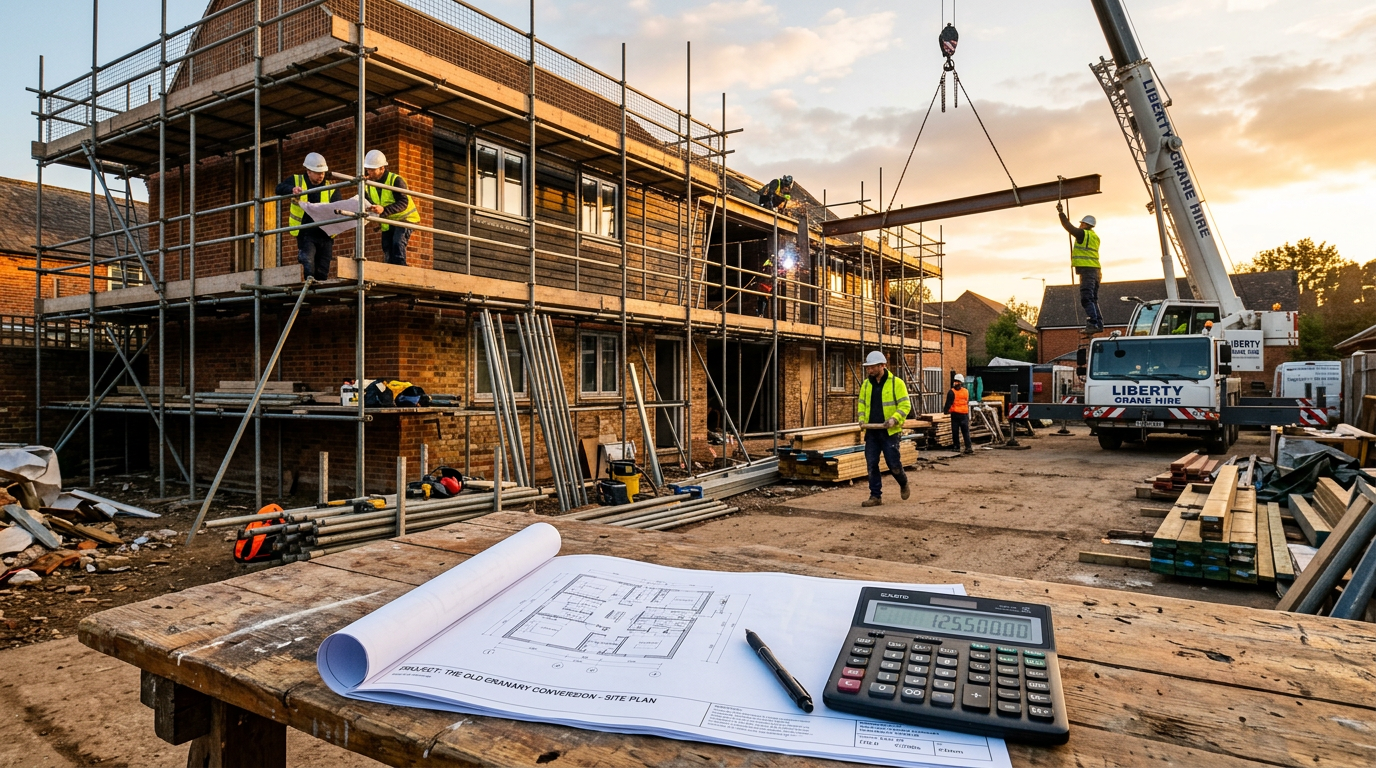
What is a Conversion Bridging Loan?
A conversion bridging loan is a short-term financing solution specifically designed for property conversion projects. Unlike traditional mortgages, which often have lengthy application processes and rigid terms, conversion bridging loans provide quick access to capital, enabling property developers and investors to capitalize on time-sensitive opportunities. These loans are typically secured against the value of the property being converted, allowing borrowers to leverage their assets effectively.
The primary distinction between a conversion bridging loan and a traditional loan lies in the speed and flexibility of funding. Traditional loans may take weeks or even months to process, requiring extensive documentation and credit checks. In contrast, bridging loans can often be approved within days, making them ideal for urgent projects. Additionally, bridging loans are usually more flexible in terms of repayment options and can be tailored to meet the specific needs of a property conversion project.
Another key difference is the interest rates associated with these loans. While bridging loans tend to have higher interest rates compared to traditional mortgages, they are justified by the rapid access to funds and the short-term nature of the financing. This makes conversion bridging loans a viable option for property developers looking to complete renovations or conversions quickly, ultimately maximizing their return on investment.
Why Choose a Bridging Loan for Property Conversions?
Choosing a bridging loan for property conversions offers several advantages that can significantly benefit developers and investors. Here are some key reasons:
- Speed of Funding: One of the most compelling reasons to opt for a conversion bridging loan is the speed at which funds can be accessed. Traditional lenders often require extensive documentation and lengthy approval processes, which can delay projects. Bridging loans, however, can be approved in as little as a few days, allowing developers to act quickly on lucrative opportunities.
- Flexibility in Use: Conversion bridging loans are versatile financing options that can be used for a variety of property conversion projects, including residential to commercial conversions, renovations, and even new builds. This flexibility allows borrowers to allocate funds where they are most needed, whether for purchasing the property, covering renovation costs, or managing unexpected expenses.
- Short-Term Financial Solutions: Bridging loans are designed for short-term use, typically ranging from a few months to a year. This makes them ideal for property conversions that require quick turnaround times. Once the project is completed and the property is sold or refinanced, borrowers can repay the loan, often with the profits generated from the conversion.
- Less Stringent Eligibility Criteria: Compared to traditional loans, bridging loans often have less stringent eligibility requirements. Lenders may focus more on the value of the property being converted rather than the borrower’s credit history or income, making it easier for developers to secure the financing they need.
In summary, the speed, flexibility, and short-term nature of conversion bridging loans make them an attractive option for property developers looking to undertake conversion projects. By leveraging these loans, investors can seize opportunities quickly and efficiently, ultimately enhancing their profitability.
Types of Property Conversion Projects Suitable for Bridging Loans
Conversion bridging loans can be utilized for a variety of property conversion projects. Here are some common types that are particularly well-suited for this financing option:
- Residential to Commercial Conversions: Many property developers seek to convert residential properties into commercial spaces. This can include transforming a house into a retail shop, office, or café. Bridging loans provide the necessary funds to purchase and renovate the property quickly, allowing developers to capitalize on the growing demand for commercial spaces.
- Change of Use Bridging: Properties often require a change of use to meet new market demands or regulatory standards. For example, converting a warehouse into residential lofts or a former school into apartments may necessitate significant renovations. A conversion bridging loan can cover the costs associated with these changes, enabling developers to adapt properties to meet current needs.
- Renovation of Derelict Properties: Many investors focus on acquiring derelict or underutilized properties that require extensive renovation. Bridging loans can provide the funding needed to purchase these properties and carry out necessary repairs and updates, ultimately increasing their value and appeal in the market.
These projects highlight the versatility of conversion bridging loans, making them an essential tool for property developers looking to maximize their investment potential. By understanding the types of projects that can benefit from this financing, developers can make informed decisions about their funding strategies.
How to Secure a Conversion Bridging Loan
Securing a conversion bridging loan involves several steps, each critical to ensuring a smooth application process. Here’s a detailed guide on how to navigate this process:
- Understand Eligibility Criteria: Before applying, it’s essential to familiarize yourself with the eligibility criteria set by lenders. Generally, lenders will assess the value of the property being converted, the proposed conversion plans, and the borrower’s financial situation. While credit history may be considered, many lenders focus primarily on the property’s value and potential.
- Gather Required Documentation: Preparing the necessary documentation is crucial for a successful application. Common documents required include:
- Proof of identity (passport or driving license)
- Proof of address (utility bills or bank statements)
- Property details (title deeds, purchase agreement)
- Detailed plans for the conversion (architectural drawings, planning permissions)
- Financial statements (bank statements, income proof)
- Choose the Right Lender: Not all lenders offer the same terms and conditions for conversion bridging loans. It’s essential to shop around and compare different lenders to find one that best suits your needs. Consider factors such as interest rates, fees, and the speed of funding.
- Submit Your Application: Once you have chosen a lender, submit your application along with the required documentation. Be prepared to answer any questions the lender may have regarding your project and financial situation.
- Receive Approval and Funding: If approved, the lender will provide a loan offer detailing the terms and conditions. Review this carefully before accepting. Once accepted, funds can be released quickly, allowing you to begin your property conversion project.
By following these steps, you can effectively secure a conversion bridging loan and set your property conversion project in motion. Understanding the process and being well-prepared can significantly enhance your chances of approval and ensure timely funding.
Costs and Fees Associated with Conversion Bridging Loans
When considering a conversion bridging loan, it’s crucial to understand the various costs and fees that may be associated with this type of financing. Here’s a breakdown of the key expenses to anticipate:
- Interest Rates: Bridging loans typically carry higher interest rates than traditional mortgages, reflecting the short-term nature and rapid access to funds. Interest rates can vary significantly between lenders, so it’s essential to compare offers and understand how the rates will impact your overall project costs.
- Arrangement Fees: Most lenders charge an arrangement fee for processing the loan application. This fee usually ranges from 1% to 3% of the total loan amount and is often deducted from the loan proceeds. Be sure to factor this cost into your budget when planning your project.
- Exit Fees: Some lenders may charge an exit fee when the loan is repaid. This fee can vary widely and should be clearly outlined in the loan agreement. Understanding these fees upfront can help you avoid unexpected costs at the end of your loan term.
- Valuation Fees: Lenders will typically require a property valuation to assess its worth before approving a bridging loan. This fee can vary based on the property’s location and complexity but is an essential step in the approval process.
- Legal Fees: Engaging a solicitor to handle the legal aspects of the loan agreement is advisable. Legal fees can vary based on the complexity of the transaction but are an important consideration when budgeting for your project.
Understanding these costs and fees is vital for effective financial planning when using a conversion bridging loan. By carefully assessing all associated expenses, borrowers can ensure that their property conversion projects remain profitable and sustainable.
Risks Involved in Using Bridging Loans for Conversions
While conversion bridging loans offer numerous benefits, they also come with inherent risks that borrowers should carefully consider. Here are some potential pitfalls:
- Higher Interest Rates: As mentioned earlier, bridging loans typically have higher interest rates compared to traditional financing options. This can significantly increase the overall cost of borrowing, especially if the loan is not repaid promptly.
- Market Fluctuations: Property markets can be volatile, and changes in market conditions can affect the value of the property being converted. If the property does not appreciate as expected, borrowers may find themselves in a difficult financial position when it comes time to repay the loan.
- Repayment Challenges: Bridging loans are designed for short-term use, and borrowers must have a clear exit strategy to repay the loan. If the property does not sell or refinance as planned, borrowers may struggle to meet repayment obligations, leading to potential financial distress or foreclosure.
- Regulatory Risks: Property conversions often require planning permissions and adherence to local regulations. Failing to secure the necessary approvals can lead to project delays and increased costs, jeopardizing the viability of the conversion.
By being aware of these risks, borrowers can take proactive steps to mitigate them and ensure a successful property conversion project. Careful planning, thorough market research, and a solid exit strategy are essential components of a successful bridging loan experience.
Success Stories: Case Studies of Property Conversions Financed by Bridging Loans
Real-life examples of successful property conversions financed by bridging loans can provide valuable insights for potential borrowers. Here are a few case studies that highlight the effectiveness of this financing option:
- Case Study 1: Residential to Commercial Conversion – A property developer purchased a dilapidated residential building in a prime commercial area. Using a conversion bridging loan, they quickly secured the funds needed for renovations. Within six months, the property was transformed into a modern office space, attracting several tenants and generating significant rental income. The developer was able to repay the loan promptly, realizing a substantial profit from the project.
- Case Study 2: Change of Use Project – An investor acquired an old warehouse with plans to convert it into luxury apartments. They utilized a bridging loan to cover the purchase and renovation costs. Despite initial challenges with securing planning permissions, the investor remained proactive and successfully navigated the regulatory process. The project was completed on time, and the apartments sold at a premium, allowing for a swift loan repayment.
- Case Study 3: Renovation of a Derelict Property – A couple purchased a derelict property in a desirable neighborhood, planning to renovate it for resale. They opted for a conversion bridging loan to finance the purchase and renovation costs. After extensive work, the property was sold for a significant profit, enabling them to repay the loan and reinvest in additional properties.
These case studies illustrate the potential of conversion bridging loans to facilitate successful property conversions. By leveraging this financing option, borrowers can turn their property visions into reality, achieving financial success in the process.
Frequently Asked Questions about Conversion Bridging Loans
What is a conversion bridging loan?
A conversion bridging loan is a short-term loan for property conversion projects, providing quick access to funds for renovations and changes of use.
How quickly can I get a conversion bridging loan?
Typically, you can obtain a conversion bridging loan within a few days, depending on the lender’s processes and documentation provided.
What types of properties can be financed with a bridging loan?
Bridging loans can finance residential, commercial, and mixed-use properties, making them versatile for various conversion projects.
What are the risks of using a bridging loan?
Risks include higher interest rates, potential market fluctuations, and challenges in repayment if the project does not go as planned.
Can I use a bridging loan for a change of use project?
Yes, bridging loans are ideal for change of use projects, allowing for the necessary renovations and adaptations to meet new market demands.