

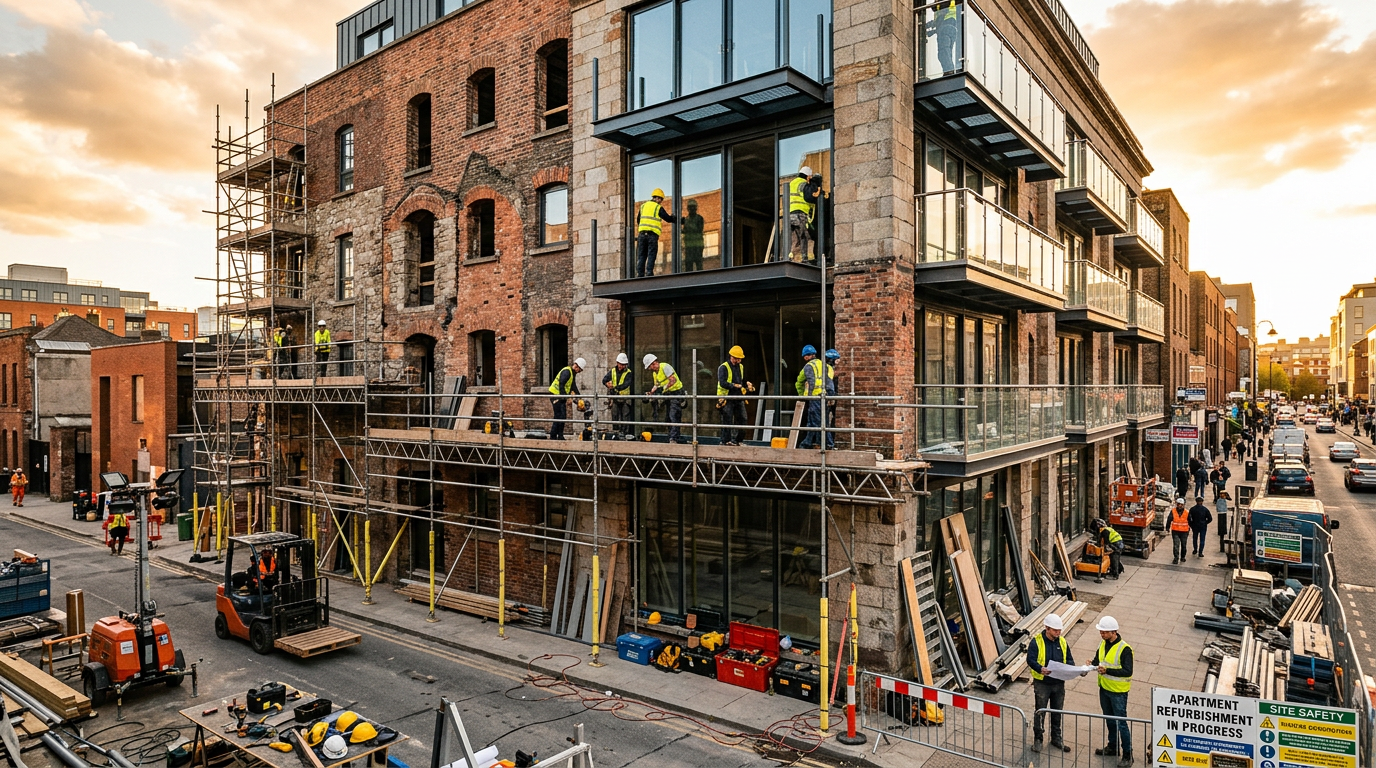
Understanding Commercial to Residential Refurbishment Bridging
Commercial to residential refurbishment bridging refers to a specialized financial solution designed to facilitate the conversion of commercial properties into residential units. This type of bridging finance is particularly crucial in today’s property market, where demand for residential space often outstrips supply. By repurposing underutilized commercial properties, developers can not only meet housing needs but also enhance the value of their investments.
The importance of C2R conversions cannot be overstated. With urban areas experiencing rapid population growth, the need for affordable housing is more pressing than ever. Converting commercial spaces, such as offices, warehouses, or retail units, into residential properties presents a viable solution. This process not only revitalizes communities but also contributes to sustainable urban development by making efficient use of existing structures.
Moreover, refurbishment bridging loans serve as a catalyst for these conversions, providing the necessary funds to cover renovation costs during the transition period. These loans are typically short-term, allowing developers to access capital quickly and efficiently, which is essential in a competitive market where timing can significantly impact project feasibility and profitability.
The Process of Commercial to Residential Conversion
The process of converting a commercial property to residential use involves several key steps, each requiring careful planning and execution. Below is a step-by-step guide to navigating this complex undertaking:
- Initial Assessment: Conduct a thorough evaluation of the property to determine its suitability for conversion. This includes assessing the building’s structural integrity, location, and compliance with local zoning laws.
- Planning Permission: Obtain the necessary planning permissions from local authorities. This may involve submitting a detailed proposal outlining the intended changes and how they align with community needs.
- Financing: Secure financing through a commercial to residential refurbishment bridging loan. This step is critical as it provides the funds needed for renovation and conversion costs.
- Renovation Works: Begin the refurbishment process, which may include structural modifications, interior design updates, and compliance with safety regulations.
- Marketing and Sale/Letting: Once the conversion is complete, market the newly created residential units. This could involve selling the properties or renting them out, depending on the developer’s strategy.
Key considerations during the process include understanding the local property market, ensuring compliance with building regulations, and effectively managing timelines and budgets. Engaging with experienced professionals, such as architects and contractors, can help streamline the process and mitigate potential challenges.
Types of Financing Available for C2R Conversions
When it comes to financing commercial to residential conversions, several options are available, each with its own benefits and considerations:
- Commercial Conversion Loans UK: These loans are specifically designed for property developers looking to convert commercial properties into residential units. They typically offer flexible terms and competitive interest rates, making them an attractive option for developers.
- Change of Use Refurb Bridge: This type of bridging finance is tailored for projects that require a change of use, such as converting an office building into apartments. It provides the necessary funds to cover renovation costs during the transition period.
- Refurbishment Bridging Loans: These loans can be used for various refurbishment projects, including those that involve converting commercial spaces into residential properties. They allow developers to access funds quickly, which is essential for meeting project timelines.
The benefits of utilizing change of use refurb bridges include quick access to funds, flexible repayment options, and the ability to finance renovation costs without long-term commitments. This financial flexibility can significantly enhance a developer’s ability to respond to market demands and capitalize on opportunities as they arise.
Eligibility Criteria for Refurbishment Bridging Loans
Qualifying for commercial to residential refurbishment bridging loans typically involves meeting specific eligibility criteria set by lenders. Understanding these requirements is essential for developers looking to secure financing for their projects:
- Viable Project Plan: Lenders require a detailed project plan that outlines the scope of the conversion, estimated costs, and timelines. This demonstrates the feasibility and profitability of the project.
- Property Valuation: An independent valuation of the property is usually necessary to determine its current market value and potential post-conversion value.
- Financial Stability: Borrowers must demonstrate financial stability, including a solid credit history and sufficient income to cover loan repayments. Lenders often assess the borrower’s overall financial health to mitigate risk.
- Experience: Previous experience in property development or refurbishment can enhance a borrower’s credibility and improve their chances of securing a loan.
By understanding these criteria, developers can better prepare their applications and increase their likelihood of obtaining the necessary financing for their refurbishment projects.
Benefits of Using Refurbishment Bridging Finance
Utilizing refurbishment bridging finance for commercial to residential conversions offers several advantages that can significantly benefit developers:
- Accelerated Project Timelines: Bridging loans provide quick access to funds, allowing developers to commence renovation works without delay. This speed is crucial in a competitive property market where time is of the essence.
- Flexible Financing Options: Bridging finance typically offers flexible repayment terms, enabling developers to tailor their financing solutions to their specific project needs and cash flow situations.
- Increased Cash Flow: By securing a refurbishment bridging loan, developers can maintain liquidity while undertaking costly renovation projects, ensuring they have the necessary funds for ongoing operational expenses.
- Enhanced Property Value: Successfully converting a commercial property into residential units can significantly increase its market value, providing a strong return on investment once the project is completed.
These benefits make refurbishment bridging finance an attractive option for developers looking to capitalize on the opportunities presented by the growing demand for residential properties.
Potential Risks and Challenges in C2R Conversions
While commercial to residential conversions can be lucrative, they are not without risks and challenges. Developers should be aware of the following potential pitfalls:
- Market Fluctuations: Changes in the property market can impact demand and pricing, potentially affecting the profitability of the conversion project.
- Regulatory Changes: Local regulations and zoning laws can change, which may affect the viability of the project or require additional permits.
- Project Delays: Unforeseen issues during the renovation process, such as structural problems or supply chain delays, can extend timelines and increase costs.
To mitigate these risks, developers should conduct thorough market research, engage experienced professionals, and maintain open lines of communication with local authorities. Additionally, having a contingency plan in place can help address unexpected challenges as they arise.
Case Studies: Successful Commercial to Residential Conversions
Examining successful case studies can provide valuable insights into the commercial to residential conversion process. Here are a few notable examples:
- Office to Apartment Conversion in London: A former office building in London was successfully converted into luxury apartments. The project involved significant renovations, including modernizing the interior and enhancing energy efficiency. The developer secured a refurbishment bridging loan, allowing for quick access to funds, which facilitated a timely completion and resulted in a profitable sale of the units.
- Warehouse to Loft Conversion in Manchester: A disused warehouse in Manchester was transformed into stylish loft apartments. The developer faced challenges with local planning permissions but successfully navigated the process by engaging with the community and demonstrating the project’s benefits. The use of a change of use refurb bridge enabled the developer to finance the renovation swiftly, leading to a successful rental strategy post-conversion.
- Retail Space to Mixed-Use Development in Birmingham: A retail property in Birmingham was converted into a mixed-use development featuring residential units and commercial spaces. The project required extensive planning and coordination with local authorities. By utilizing a commercial conversion loan, the developer was able to cover renovation costs and complete the project on schedule, resulting in a vibrant community hub.
These case studies highlight the importance of strategic planning, effective financing, and community engagement in achieving successful commercial to residential conversions.
Choosing the Right Lender for Your Refurbishment Bridging Needs
Selecting the right lender for refurbishment bridging finance is crucial for the success of your project. Here are key factors to consider when comparing lenders:
- Interest Rates: Compare interest rates across different lenders to find the most competitive option. Even a small difference in rates can significantly impact overall project costs.
- Loan Terms: Assess the terms of the loan, including repayment periods and any associated fees. Look for flexibility that aligns with your project timeline.
- Lender Experience: Choose a lender with experience in commercial to residential conversions. Their expertise can be invaluable in navigating the complexities of the process.
- Customer Support: Evaluate the level of customer support offered by the lender. A responsive and knowledgeable team can make the financing process smoother and more efficient.
By carefully considering these factors, developers can select a lender that best meets their refurbishment bridging needs and supports their project goals.
Future Trends in Commercial to Residential Refurbishment
The landscape of commercial to residential refurbishment is evolving, influenced by several emerging trends:
- Sustainability Focus: There is a growing emphasis on sustainable building practices. Developers are increasingly incorporating eco-friendly materials and energy-efficient designs into their conversions, appealing to environmentally conscious buyers and tenants.
- Regulatory Changes: As cities adapt to housing shortages, regulations may evolve to facilitate easier conversions. Understanding these changes can provide developers with new opportunities for refurbishment projects.
- Technology Integration: The use of technology in property management and renovation processes is on the rise. Developers are leveraging smart home technology to enhance the appeal of converted properties.
Staying informed about these trends can help developers make strategic decisions that align with market demands and regulatory landscapes, ultimately leading to more successful commercial to residential conversions.
Frequently Asked Questions
What is commercial to residential refurbishment bridging?
A financial solution for converting commercial properties into residential units.
How does a change of use refurb bridge work?
It provides short-term funding to cover renovation costs during the conversion process.
What are the eligibility criteria for refurbishment bridging loans?
Typically requires a viable project plan, property valuation, and financial stability.
What are the benefits of C2R conversion finance?
Quick access to funds, flexible repayment options, and support for property development.
What risks should I consider in a C2R conversion?
Market fluctuations, regulatory changes, and project delays can pose risks.