

Understanding Barn Conversion Refurbishment Bridging
Barn conversion refurbishment bridging refers to a type of short-term financing designed specifically for property owners looking to renovate and convert barns into residential or commercial spaces. This financing option is crucial for individuals who wish to undertake substantial refurbishment projects but may not have immediate access to traditional mortgage funds. The primary purpose of refurbishment bridging is to provide quick access to capital, enabling property owners to initiate renovations without delay.
The importance of refurbishment bridging in barn conversions cannot be overstated. As barn conversions often involve significant structural work and compliance with planning regulations, having immediate access to funds can expedite the renovation process. This is particularly vital in rural areas where property values can fluctuate, and timely renovations can significantly enhance a property’s market appeal.
Key benefits for property owners utilizing barn conversion refurbishment bridging include:
- Speed of Access: Bridging loans can often be approved and funded within a matter of days, allowing property owners to commence work without waiting for traditional mortgage processes.
- Flexibility: These loans can be tailored to fit the specific needs of the project, including varying loan amounts and repayment terms.
- Interim Financing: Property owners can secure funds to cover initial renovation costs while they arrange for longer-term financing solutions, such as a mortgage or remortgage.
- Increased Property Value: Completing a barn conversion can significantly increase the property’s value, making refurbishment bridging a strategic investment.
Types of Barn Conversion Projects
When considering barn conversions, it is essential to distinguish between different types of projects, as they can vary significantly in scope and requirements. The two primary categories are residential and commercial conversions.
Residential vs. Commercial Conversions
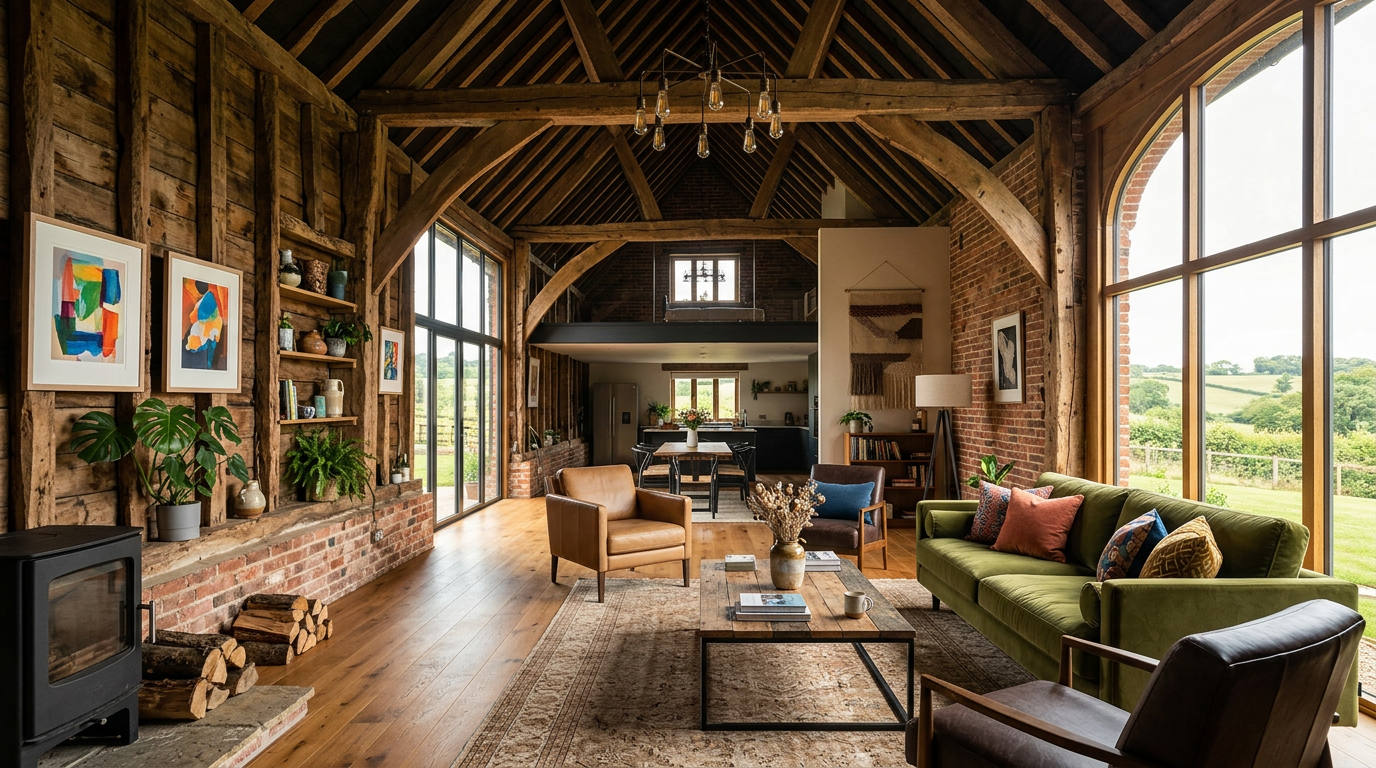
Residential barn conversions typically aim to create living spaces, such as single-family homes or multi-unit dwellings. These projects often focus on maintaining the barn’s historical character while integrating modern amenities. For instance, a residential conversion may involve creating open-plan living areas, installing energy-efficient heating systems, and ensuring compliance with local building regulations.
On the other hand, commercial barn conversions might aim to establish businesses such as restaurants, art galleries, or event spaces. These projects often require more extensive renovations to accommodate commercial needs, including larger kitchens, restrooms, and accessibility features. For example, a barn converted into a wedding venue may require significant structural reinforcement and aesthetic enhancements to attract clients.
Historical Preservation Considerations
Many barns are considered historical structures, and their conversion may be subject to specific preservation guidelines. Property owners must navigate local heritage regulations and may need to work with conservation officers to ensure that renovations respect the building’s historical integrity. This can involve using traditional materials or techniques in the refurbishment process.
Modern vs. Traditional Designs
Another important aspect of barn conversions is the design approach. Some property owners may prefer a modern aesthetic, incorporating sleek lines, large glass windows, and minimalist interiors. This approach can create a striking contrast between the old barn structure and contemporary design elements. For example, a barn with exposed wooden beams and a modern kitchen can create a unique living space that appeals to buyers.
Conversely, others may opt for a traditional design that emphasizes rustic charm. This could include retaining original features such as stone walls, wooden floors, and vintage fixtures. A traditional approach can attract buyers looking for a cozy, country-style home, making it a popular choice in rural areas.
How Refurbishment Bridging Works
Securing a refurbishment bridge loan involves several steps that property owners must navigate to ensure a smooth financing process. Understanding how these loans work can help streamline the experience.
Process of Securing a Refurbishment Bridge Loan
The first step in obtaining a refurbishment bridging loan is to identify a lender who specializes in this type of financing. Property owners should prepare a detailed project plan, including estimated costs, timelines, and potential returns on investment. This plan will be crucial in convincing lenders of the project’s viability.
Once a lender is chosen, the property owner will need to submit an application. This typically involves providing documentation such as proof of income, details about the property, and a comprehensive refurbishment plan. Lenders will assess the application based on the property’s current value and the projected value after refurbishment.
Typical Terms and Conditions
Refurbishment bridge loans usually come with specific terms and conditions. These loans often have higher interest rates compared to traditional mortgages, reflecting the increased risk associated with short-term lending. Loan amounts can vary widely, typically ranging from £50,000 to several million pounds, depending on the project’s scope and the property’s value.
Loan terms are generally short, ranging from a few months to a couple of years. This timeframe allows property owners to complete renovations and refinance into a more permanent mortgage solution. Some lenders may also offer flexible repayment options, allowing borrowers to repay the loan in a lump sum or in installments.
Repayment Options and Timelines
Repayment timelines for refurbishment bridging loans can vary based on the lender and the specific terms of the loan. However, most borrowers aim to repay the loan within 12 to 18 months, often using the proceeds from a subsequent mortgage or sale of the property. It’s essential for property owners to have a clear exit strategy in place to avoid potential financial pitfalls.
Eligibility Criteria for Barn Renovation Finance
Required Documentation for Loan Applications
- Proof of Identity: A valid passport or driver’s license.
- Proof of Income: Recent payslips, tax returns, or bank statements.
- Property Documents: Title deeds and any existing mortgage information.
- Project Plan: Detailed proposals outlining the scope of work, estimated costs, and timelines.
Credit Score Considerations
Property Valuation and Its Impact
Choosing the Right Lender for Your Barn Conversion
Factors to Consider When Selecting a Lender
- Specialization: Look for lenders who specialize in refurbishment bridging loans, particularly for barn conversions or rural properties.
- Reputation: Research the lender’s reputation through online reviews and testimonials. A lender with a solid track record can provide peace of mind.
- Customer Service: Assess the level of customer service offered. A responsive lender can make the application process smoother and more efficient.
Comparing Interest Rates and Fees
Importance of Lender Experience in Rural Properties
Case Studies: Successful Barn Conversions
Examining successful barn conversion projects can provide valuable insights for property owners considering similar ventures. Here are a few notable examples:
Case Study 1: The Rustic Retreat
A dilapidated barn in the Cotswolds was transformed into a luxurious holiday rental. The owners secured a refurbishment bridging loan of £300,000 to cover renovation costs. The project included modernizing the interior while preserving original features like exposed beams and stone walls. Following completion, the property was valued at £600,000, resulting in a significant return on investment (ROI) for the owners.
Case Study 2: The Artisan Workshop
In a rural village, a barn was converted into an artisan workshop and gallery. The property owners used a £150,000 refurbishment bridging loan to fund the conversion. The project focused on creating an open-plan space with natural lighting and eco-friendly materials. The completed workshop not only increased the property’s value but also generated income through art exhibitions and workshops.
Case Study 3: The Family Home
A family purchased an old barn with the vision of creating their dream home. They secured a £400,000 refurbishment bridging loan to finance the extensive renovations, which included adding modern amenities and increasing living space. Once completed, the property was valued at £800,000, allowing the family to refinance into a traditional mortgage with favorable terms.
These case studies illustrate the potential financial outcomes of successful barn conversions and highlight the importance of careful planning and execution. Each project not only enhanced the property’s value but also provided unique living or commercial spaces that contributed to the local community.
Challenges in Barn Conversion Refurbishment
Common Obstacles Faced During Refurbishment
Property owners may encounter several common challenges during the refurbishment process:
- Planning Permission Issues: Obtaining the necessary planning permissions can be a lengthy and complex process, particularly for historical barns. Property owners must navigate local regulations and may face delays in securing approvals.
- Unexpected Renovation Costs: Renovation projects often uncover hidden issues, such as structural damage or outdated electrical systems. These unexpected costs can strain budgets and timelines.
- Structural Challenges with Older Buildings: Many barns are older structures that may require significant reinforcement or repairs to meet modern building standards. This can add complexity and cost to the renovation process.
Navigating Planning Permissions
Securing planning permission is a critical step in any barn conversion project. Property owners should engage with local planning authorities early in the process to understand the requirements and gather necessary documentation. Consulting with architects or planning consultants can also provide valuable insights and help streamline the approval process.
Dealing with Unexpected Costs
To mitigate the risk of unexpected costs, property owners should conduct thorough inspections before purchasing a barn and create a detailed budget that includes contingency funds. Regular communication with contractors and builders during the renovation can also help identify potential issues early on, allowing for timely adjustments to the project plan.
Future Trends in Barn Conversions
Emerging Design Trends
Sustainability in Barn Renovations
Impact of Technology on Refurbishment Processes
Conclusion: Making Your Barn Conversion a Reality
In summary, barn conversion refurbishment bridging offers a valuable financing solution for property owners looking to transform barns into functional and appealing spaces. Understanding the types of projects, the process of securing financing, and the challenges involved can empower owners to make informed decisions.
As the demand for barn conversions continues to grow, now is an opportune time to consider embarking on such a project. Whether you envision a cozy family home, a vibrant commercial space, or a unique holiday rental, the right financing options can help turn your vision into reality. Explore your financing options today and take the first step towards your dream barn conversion.
Frequently Asked Questions
What is barn conversion refurbishment bridging?
A barn conversion refurbishment bridging loan is a short-term loan designed to finance barn renovations, helping cover costs until permanent financing is secured.
What are the benefits of using refurbishment bridging for barn conversions?
The benefits include quick access to funds, flexibility in repayment, and the ability to start renovations without delay.
How do I qualify for barn renovation finance?
To qualify, you need to provide necessary documentation, meet credit score requirements, and have a clear property valuation.
What common challenges should I expect during a barn conversion?
Common challenges include planning permission issues, unexpected renovation costs, and structural challenges with older buildings.
Are there specific lenders for barn conversion refurbishment?
Yes, look for lenders experienced in rural property finance, compare terms and interest rates, and consider customer reviews and testimonials.
