
Office property finance · UK
Commercial Mortgages for Office Buildings
Buying, refinancing or raising capital against an office property? Start with the building, the amount required, how it will be occupied, your borrower structure and the date the finance needs to be in place.
 OFFICE / 01
In straightforward terms
What is an office commercial mortgage?
An office commercial mortgage is longer-term finance secured against an office property. It may be used by a business purchasing premises from which it intends to trade, or by an investor purchasing or refinancing an office that is let to one or more occupiers.
The way a lender assesses the case depends heavily on how the building will be used. An owner-occupied office may be considered alongside the trading business and its ability to service the borrowing. An investment office brings the rent, tenant profile, leases, occupancy and investment value into greater focus.
That distinction is important. Two office buildings with the same value can require very different lender routes because the occupier, lease structure, property condition, borrower and transaction are different.
How the case is assessed
Owner-occupied and investment offices are not the same mortgage case.
Lender criteria vary, but the underlying source of repayment and the way the office is occupied can materially change the assessment.

Office property types
What type of office are you financing?
“Office building” covers a wide range of commercial property. The lease structure, number of occupiers, location, condition and intended use can all influence which lenders are realistic.
Owner-occupied offices
Offices purchased or refinanced by a business intending to occupy the premises itself, whether as its sole base or part of a wider property.
Single-let office investments
Office property let to one business, where the tenant, rent, remaining lease term and break provisions form an important part of the case.
Multi-let office buildings
Buildings occupied by several tenants may require review of the full tenancy schedule, individual leases, voids and overall rental position.
Serviced and flexible offices
Serviced offices and flexible workspace can have a different operating model from a conventional long lease and may therefore require more specialist lender assessment.
Mixed-use buildings with offices
Where office accommodation forms only part of a building, the lender will also consider the other uses, income streams and overall security.
Office refinancing
Existing office borrowing may be reviewed at refinance, including where the objective is to restructure debt or raise capital against available equity.

Lender assessment
What affects an office commercial mortgage?
Office lending is rarely decided by one number. The property, borrower, income and transaction need to work together.
Property and location
The valuer and lender may consider location, office demand, condition, configuration, marketability, tenure and alternative use or resale considerations.
Deposit or available equity
The relationship between the proposed mortgage and property value influences leverage, lender appetite and potentially the terms available.
Business affordability
For owner-occupied property, accounts, trading performance, cash flow and existing commitments may form an important part of underwriting.
Rent and tenant covenant
For investment offices, the lender may review rental income, tenant quality, payment history, occupancy and the strength of the underlying leases.
Lease length and break clauses
Lease expiry dates, tenant break options, rent-free periods and upcoming vacancies can change the risk profile of an investment office.
Borrower and ownership structure
Personal ownership, companies and other structures can have different documentation and underwriting requirements. Some company cases may also involve guarantees, subject to lender criteria.
Vacancy and condition
What if the office is vacant or needs work?
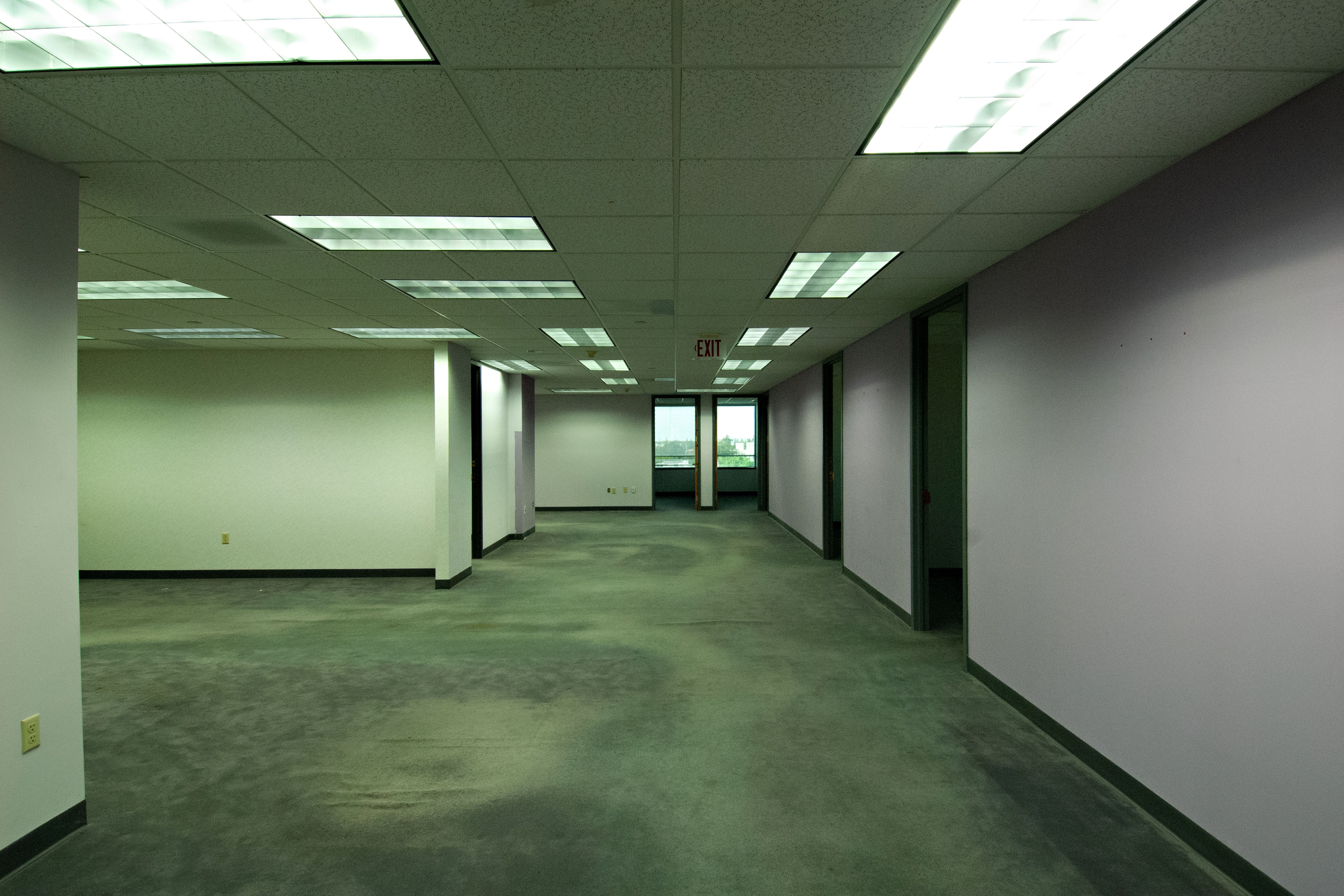
A vacant office does not automatically mean that longer-term commercial mortgage finance is impossible, but vacancy can change the way the property and repayment position are assessed.
If the building requires substantial work before occupation or letting, short-term finance may sometimes be a more appropriate first stage before moving onto longer-term mortgage funding.
- Vacant possession at purchase
- Planned refurbishment before occupation
- Office conversion or reconfiguration
- Time-sensitive acquisition
- Refinance after works or stabilised occupancy
How Lockwell works
From office property brief to completion.
A clearer enquiry helps identify the realistic lender route before unnecessary applications, valuations or legal work are started.
Share the deal
Provide the office address, value or purchase price, mortgage amount, occupancy, borrower structure and target date.
Review the route
The property, affordability or rental position, deposit or equity and lender criteria can then be considered together.
Prepare the application
The relevant documents are organised before the case progresses through lender assessment, valuation and underwriting.
Progress to completion
The transaction proceeds through valuation, lender conditions, legal work and the remaining requirements for completion.
Prepare the enquiry
Information commonly needed for an office mortgage.
Exact requirements differ by lender and case. Providing the core property and borrower information early can make it easier to identify what further evidence will be required.
Broker fees
Understand the current Lockwell fees before applying.
Commercial mortgage pricing also depends on the lender and individual case, so the headline interest rate should be considered alongside lender, valuation, legal and broker costs.
Useful next reading
Prepare before submitting the commercial mortgage application.
Understanding the application, underwriting and rate factors before submission can help you ask better questions about the office deal.
Frequently asked questions
Office commercial mortgage questions.
Exact availability, terms and documentation depend on the borrower, property, valuation and individual lender criteria.
Can I get a commercial mortgage for an office my business will occupy?
Potentially. This is generally treated as an owner-occupied commercial mortgage case. Lenders may consider the property alongside the business's trading position, affordability, borrower profile, deposit and wider application.
Can I mortgage an office building that is already tenanted?
Potentially. For an investment office, the lender may assess the rental income, tenants, remaining lease terms, break clauses, occupancy position, property value and borrower circumstances.
How much deposit do I need for an office commercial mortgage?
There is no single deposit that applies to every office mortgage. The required equity contribution depends on factors such as the property, loan size, borrower, occupancy, income profile and lender criteria. Share the purchase price and proposed borrowing amount to establish which routes may be realistic.
Can a multi-let office building be mortgaged?
It can be possible, subject to lender criteria. The application may need a detailed tenancy schedule showing the occupiers, rents, lease expiry dates, breaks and any vacant units so the overall income and risk profile can be assessed.
Can serviced offices or flexible workspace be financed?
They may be financeable, but the operating model can differ from a conventional office investment secured by a long occupational lease. Lenders may therefore take a closer look at occupancy, management, income history and the underlying property.
Can I refinance an existing office building?
Yes, refinancing can be considered where an existing office mortgage is approaching expiry, the borrower wants to review its current borrowing or there is a proposed capital-raising requirement. Available options depend on the current value, outstanding debt, income and borrower position.
Can I finance a vacant office building?
Vacancy does not automatically prevent finance, but it changes the risk assessment. The lender will want to understand why the property is vacant, its condition, proposed occupation or letting strategy, carrying costs and how the mortgage will be serviced.
What documents are normally required?
Requirements vary, but the initial review will usually need sufficient information to understand the borrower, property, required mortgage, deposit or equity, business affordability or rental income and any occupational leases. The specific lender can then confirm the full document list.
What affects the interest rate on an office commercial mortgage?
Pricing can be influenced by the lender, loan-to-value position, loan size, borrower strength, property type and location, affordability or rental position, tenancy profile and wider risk of the transaction. Fees should also be considered alongside the headline rate when comparing options.
Start the conversation
Bring us the office property. Start with the facts that matter.
Share the property, required mortgage amount, deposit or equity, occupancy, borrower structure and target completion date. The case can then be reviewed against realistic commercial mortgage routes and likely next steps.