
Auction Refurbishment Finance for UK Property Purchases
Buying at auction when the property also needs work creates two funding challenges at once: a fixed completion deadline and a refurbishment plan that must lead to a credible exit. Auction refurbishment finance can provide a short-term route while the purchase and proposed works are assessed together.
What is auction refurbishment finance?
Auction refurbishment finance is short-term property funding considered when an auction purchase needs to complete within a defined timeframe and the property requires improvement before its longer-term plan can be achieved.
The transaction is not assessed purely as an auction purchase. The property condition, works programme, project budget, completion deadline and proposed exit all matter.
Depending on the lender and project structure, the facility may support the acquisition while an element of the refurbishment is incorporated into the funding structure. Other cases may require the works to be funded separately.

Tell us the completion deadline first.
Once you have committed to an auction purchase, the available time becomes central to the finance route. Share the memorandum of sale, legal pack, property details, amount required, proposed works and exit plan as early as possible so the transaction can be reviewed against the actual deadline.
When auction refurbishment finance may be considered
This route is most relevant when both the purchase deadline and the proposed works affect the viability of ordinary long-term mortgage finance.
Buy, refurbish and refinance
An investor purchases at auction, completes the required works and then seeks suitable longer-term finance once the finished property meets the relevant lender criteria.
Buy, improve and sell
Short-term funding may be considered where the intended exit is a sale after refurbishment. The budget, expected finished value and realistic sale period all need to support the proposal.
Property not ready for a mortgage
Some auction properties require repairs or improvement before they are suitable for mainstream mortgage lending. The initial finance can be considered around the work required to reach the next stage.
More substantial refurbishment
Structural changes, reconfiguration, conversions or permission-led works may require a more detailed funding structure than a simple acquisition bridge.
Think beyond the auction completion date
The purchase is only the first stage. The finance should be structured around what needs to happen from auction acquisition through to repayment.
Secure the property
Confirm the auction terms, legal position, deposit and contractual completion date.
Complete the purchase
Progress valuation, underwriting, documentation and legal work against the required timetable.
Deliver the refurbishment
Complete the agreed work with a realistic budget, programme and contingency.
Reach the planned condition
Prepare the property for the intended sale, letting or refinance position.
Repay the facility
Complete the agreed sale, refinance or other evidenced repayment route.

The scope of works can change the finance route
Lenders do not all define refurbishment in the same way. The project should therefore be presented by its actual scope, complexity, permissions and cost rather than relying only on labels such as “light” or “heavy”.
What lenders are likely to examine
Auction refurbishment finance is assessed as one connected transaction. A strong purchase does not compensate for an unrealistic works programme, and a good refurbishment plan still needs a credible repayment route.
The property
Location, tenure, construction, condition, title, current value, purchase price and suitability as security.
The auction deadline
The contractual timetable, valuation access, legal work and how much time is realistically available before completion.
The funding requirement
Amount required, deposit or equity, existing secured debt, source of funds and how the refurbishment is being funded.
The works programme
Scope, itemised budget, contractors, professional fees, permissions, expected duration and contingency.
The borrower
Applicant structure, relevant experience, financial position, credit profile and ability to manage the proposed project.
The exit strategy
How the facility will be repaid, what evidence supports that route and whether there is a realistic alternative if the first plan is delayed.
What can affect the cost of the finance?
There is no single rate or fee that applies to every auction refurbishment project. Terms depend on the full transaction, so the overall cost should be considered alongside the completion deadline, works programme and exit.
The exit strategy should be built before the bridge
Auction refurbishment finance is temporary. The application should explain what the completed property is expected to become and how that position allows the short-term facility to be repaid.
The completed property, valuation, rental position where relevant and the applicant must satisfy the criteria of the intended longer-term lender.
The proposed sale value should be realistic and the finance term should allow sufficient time for both the works and the sale.
Where another property sale or separately identified source will repay the facility, the timing and evidence still need to support the plan.
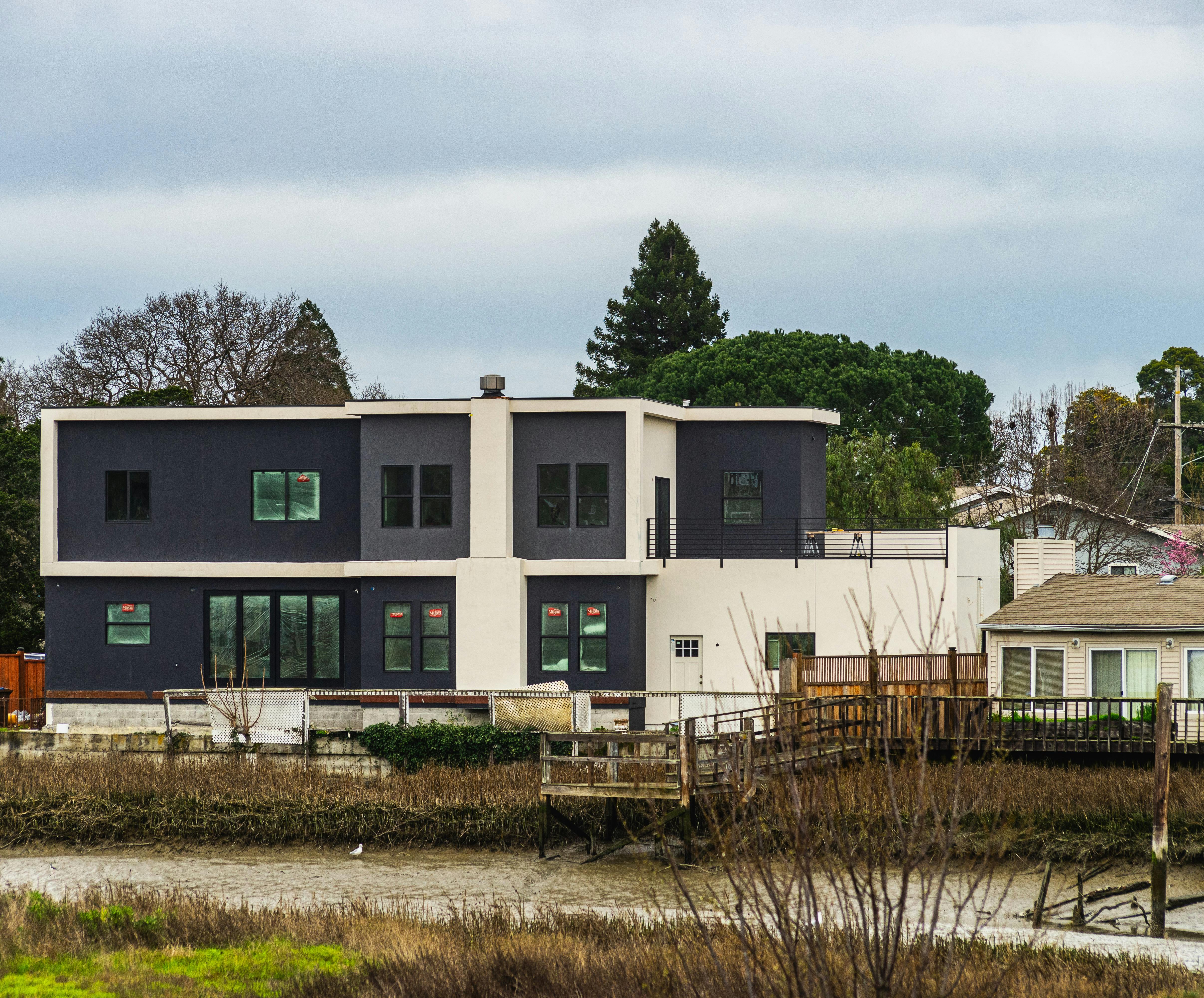
How the auction refurbishment finance process works
Preparation matters because the finance, valuation and legal work all need to progress within the available auction timetable.
Send the transaction
Provide the property, purchase details, completion date, required amount, borrower structure, works and intended exit.
Assess the route
The acquisition, security, refurbishment scope and repayment plan can then be reviewed against suitable lender criteria.
Valuation and legal work
The application moves through underwriting, valuation, documentation and the required legal stages.
Complete and begin the plan
Once lender and solicitor requirements are satisfied, the purchase can complete and the agreed refurbishment strategy can move forward.
What should you send Lockwell Finance first?
A clear first enquiry makes it easier to identify issues that could affect the auction deadline, property valuation or proposed refurbishment structure.
- Property address, type and current condition
- Auction purchase price and contractual completion date
- Amount required and available deposit or equity
- Personal, joint, company or SPV borrower structure
- Legal pack and memorandum of sale where available
- Schedule of works and itemised refurbishment budget
- Expected project timetable and contingency
- Information supporting the intended sale or refinance exit
- Source-of-funds and other borrower documentation when requested
Auction refurbishment finance FAQs
Exact requirements depend on the property, auction terms, applicant, works programme and proposed repayment strategy.
What is auction refurbishment finance?
It is short-term property finance considered where an auction purchase must complete within a defined timeframe and the property also requires improvement before it can be sold, refinanced or moved onto suitable longer-term lending.
Can finance be arranged before I bid at auction?
The transaction can be reviewed before bidding so that the property, likely funding requirement, planned works and proposed exit can be considered in advance. Any indication remains subject to lender assessment, valuation, legal work and final underwriting.
What if I have already won the auction?
Share the contractual completion deadline immediately together with the memorandum of sale, legal pack, property details, amount required, deposit, borrower structure and proposed exit. The available time will be central to assessing whether the transaction can proceed realistically.
Can the refurbishment costs be included in the finance?
Some facilities may include an element for the proposed works, while other cases require the refurbishment to be funded separately. The available structure depends on the lender, property, works, borrower and overall project.
Can I finance an auction property that is not currently mortgageable?
Potentially. Short-term property finance is often considered where the current condition makes ordinary long-term mortgage lending unsuitable. The lender will still assess the security, works, budget, applicant and intended exit.
What is the difference between auction bridging and auction refurbishment finance?
Standard auction bridging is primarily structured around the short-term acquisition and repayment plan. Where a defined refurbishment programme is a substantial part of the transaction, the works budget, project timetable and completed property become more important to the funding structure.
Can I refinance after the refurbishment?
Refinance can be an exit strategy, but it should be tested before the short-term facility is arranged. The finished property, valuation, rental position where relevant, borrower profile and intended lender criteria all affect whether that exit is realistic.
How quickly can auction refurbishment finance complete?
There is no single completion timeframe. Timing depends on the lender, valuation access, legal work, property complexity, documentation and underwriting. If an auction deadline applies, provide the exact date at the start of the enquiry.
Can I apply through a limited company or SPV?
Company and SPV applications may be considered depending on the lender and transaction. The company structure, directors, shareholders and relevant supporting documents may form part of the assessment.
What information should I have ready?
Start with the property, auction purchase price, completion deadline, required amount, available deposit or equity, borrower structure, refurbishment schedule, works budget and intended exit strategy.
Have an auction property that needs refurbishment?
Share the property, purchase price, auction deadline, amount required, proposed works, budget, borrower structure and intended exit so the funding route can be reviewed around the actual deal.