

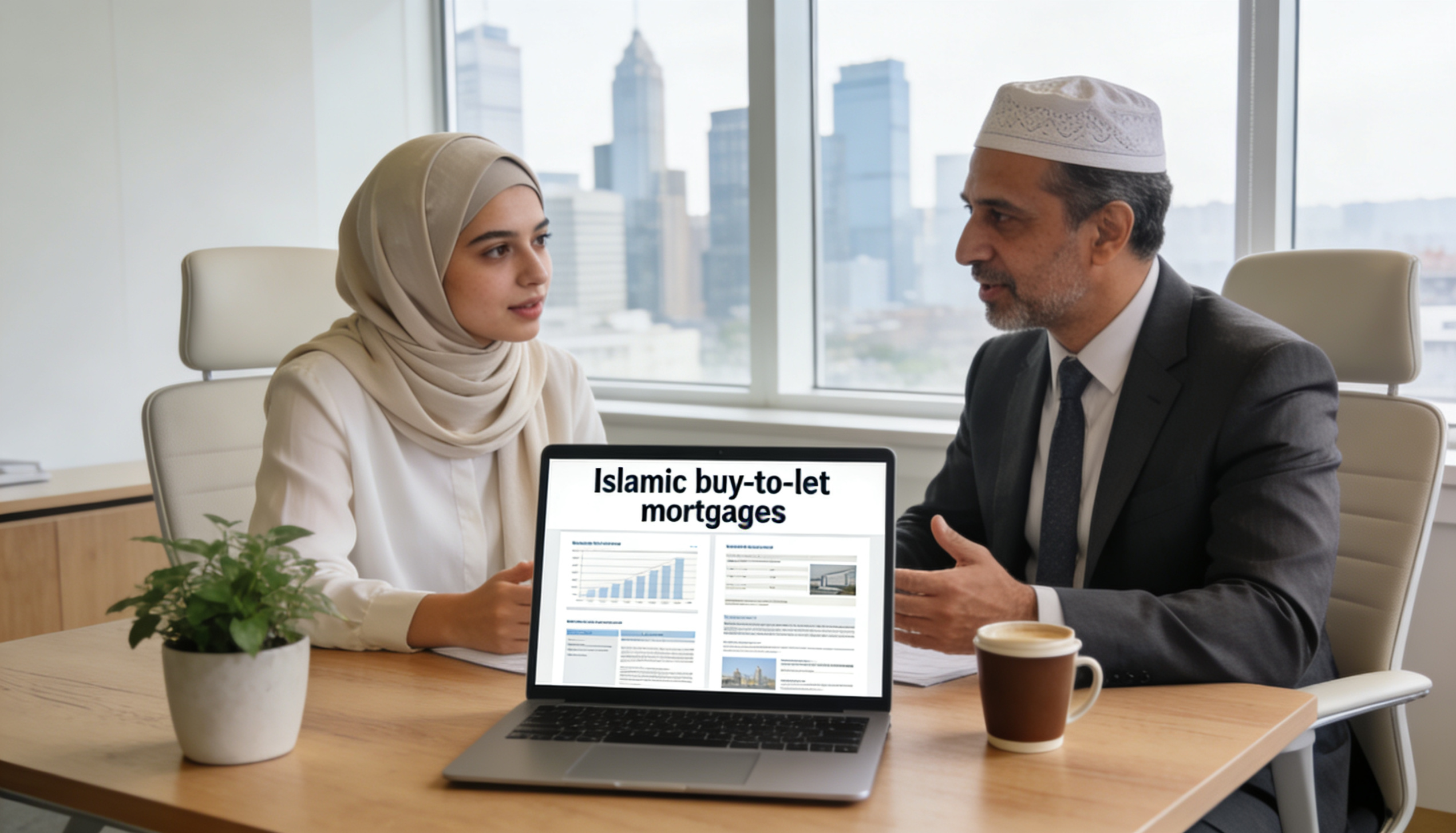
Understanding Islamic Buy-to-Let Mortgages
Islamic buy-to-let mortgages, also known as Sharia-compliant mortgages, offer an alternative for landlords seeking to invest in rental properties without violating Islamic finance principles. Unlike conventional mortgages that involve interest (riba), Islamic financing structures are based on profit-sharing and risk-sharing principles, making them compliant with Sharia law.
Key Features of Islamic BTL Mortgages
1. Profit-Sharing Structure
Islamic BTL mortgages typically operate on a profit-sharing basis. This means that instead of paying interest, the lender and borrower share the profits generated from the rental income. This structure aligns with Islamic principles that prohibit interest-based transactions.
2. Asset-Backed Financing
Islamic finance emphasizes asset-backed transactions. In the case of a buy-to-let mortgage, the property itself serves as collateral. This ensures that the financing is tied to a tangible asset, reducing speculation and promoting ethical investment.
3. No Hidden Fees
Transparency is a core principle in Islamic finance. Islamic BTL mortgages often come with clear terms and conditions, ensuring that borrowers are fully aware of all costs involved without hidden fees.
Types of Islamic BTL Mortgages
1. Ijara (Lease-to-Own)
Ijara is a common structure used in Islamic mortgages. In this arrangement, the lender purchases the property and leases it to the borrower. The borrower pays rent, which contributes towards the eventual purchase of the property. This method allows landlords to benefit from rental income while working towards ownership.
2. Murabaha (Cost-Plus Financing)
Murabaha involves the lender purchasing the property and selling it to the borrower at a marked-up price. The borrower pays this price in installments. This structure is straightforward and allows for predictable payments, making it easier for landlords to manage their finances.
3. Musharaka (Partnership Financing)
Musharaka is a partnership model where both the lender and borrower contribute to the purchase of the property. The rental income is shared according to their respective ownership stakes. This model encourages collaboration and shared responsibility between the parties involved.
Benefits of Islamic BTL Mortgages
1. Compliance with Islamic Principles
For Muslim investors, Islamic BTL mortgages provide a way to invest in property while adhering to their faith. This compliance fosters peace of mind and ethical investment practices.
2. Flexible Financing Options
Islamic BTL mortgages offer various structures to suit different financial situations. Whether through Ijara, Murabaha, or Musharaka, landlords can choose the option that best aligns with their investment goals.
3. Risk Mitigation
Since Islamic finance principles emphasize risk-sharing, both the lender and borrower are incentivized to ensure the property is well-managed and profitable. This shared responsibility can lead to better property management and reduced risks for landlords.
How to Apply for an Islamic BTL Mortgage
1. Research Lenders
Start by researching lenders that offer Islamic BTL mortgages. Look for institutions with a strong reputation in Islamic finance and a track record of serving the needs of Muslim investors.
2. Prepare Documentation
Gather the necessary documentation, including proof of income, credit history, and details about the property you wish to purchase. Each lender may have specific requirements, so check in advance.
3. Submit Your Application
Once you have your documentation ready, submit your application to the chosen lender. Be prepared to discuss your investment strategy and how you plan to manage the property.
4. Await Approval
The lender will review your application and assess your eligibility. This process may take some time, so be patient. Once approved, you can proceed with the purchase of your rental property.
Common Misconceptions About Islamic BTL Mortgages
1. They Are Too Complicated
Many people believe that Islamic finance is overly complex. However, with a clear understanding of the structures involved, Islamic BTL mortgages can be straightforward and accessible.
2. Higher Costs
While some may assume that Islamic mortgages come with higher costs, this is not always the case. The total cost will depend on the specific terms of the mortgage and the lender’s fees.
3. Limited Availability
Although Islamic BTL mortgages are less common than conventional options, they are becoming increasingly available as demand grows. More lenders are entering the market to cater to Muslim investors.
Frequently Asked Questions
1. What is an Islamic BTL mortgage?
An Islamic BTL mortgage is a Sharia-compliant financing option for purchasing rental properties, structured to avoid interest-based transactions.
2. How does profit-sharing work in Islamic mortgages?
In Islamic mortgages, profit-sharing means that the lender and borrower share the rental income instead of the borrower paying interest on a loan.
3. Can non-Muslims apply for Islamic BTL mortgages?
Yes, non-Muslims can apply for Islamic BTL mortgages, but they should understand the principles of Islamic finance and the specific terms of the mortgage.
4. Are Islamic BTL mortgages more expensive than conventional ones?
The cost of Islamic BTL mortgages can vary. It’s essential to compare different lenders and their offerings to find the best deal.
5. What types of properties can I buy with an Islamic BTL mortgage?
You can purchase various types of properties, including residential, commercial, and mixed-use properties, as long as they comply with Sharia principles.
Conclusion
Islamic buy-to-let mortgages offer a viable and ethical financing option for landlords looking to invest in rental properties. By understanding the different structures available and the benefits they provide, investors can make informed decisions that align with their financial goals and values. For more information on Islamic finance options, contact us today.
