

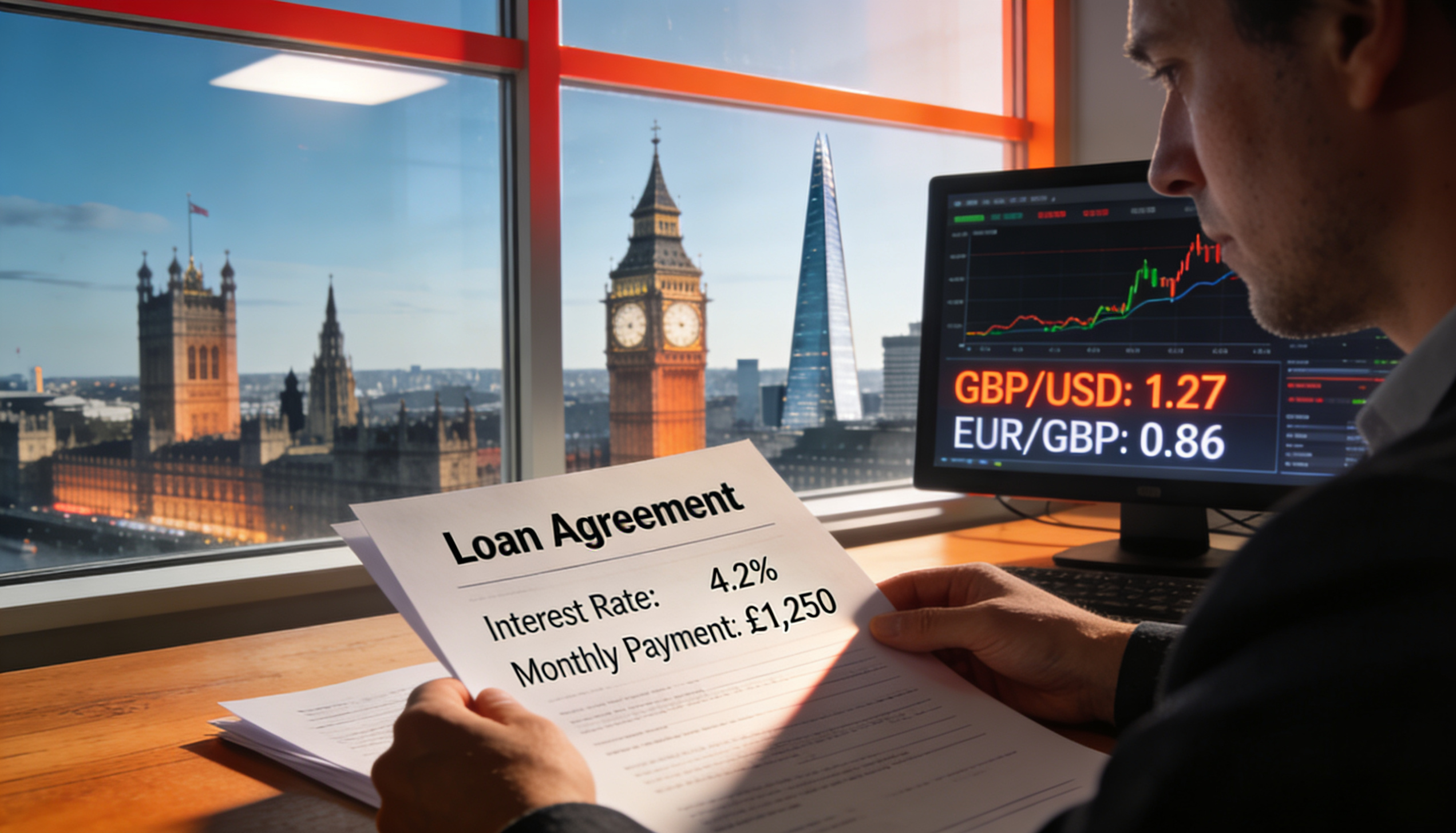
Understanding Exchange Rates and Their Importance
Exchange rates represent the value of one currency in relation to another. They are crucial for international trade and finance, affecting everything from the price of goods to the cost of borrowing. Exchange rates fluctuate due to various factors, including economic indicators, political stability, and market speculation. For instance, if the British pound strengthens against the euro, it becomes cheaper for UK residents to travel to Europe, while European goods become more expensive for UK consumers.
The impact of exchange rates extends to international transactions, where businesses and individuals must convert currencies to complete purchases or investments. This conversion can result in gains or losses depending on the timing of the transaction. For example, a UK investor purchasing property in the United States would need to convert pounds to dollars, and fluctuations in the exchange rate could significantly affect the total cost of the investment.
In the context of foreign national mortgages in the UK, understanding exchange rates is essential. Foreign buyers must consider how fluctuations in their home currency against the pound can impact their mortgage payments and overall affordability. A sudden drop in the value of their currency could lead to increased costs when repaying a mortgage denominated in pounds.
The Impact of Exchange Rates on UK Mortgages
Exchange rates play a pivotal role in determining mortgage affordability for foreign nationals looking to invest in UK property. When the value of a foreign currency decreases against the pound, the cost of mortgage repayments can rise significantly. For example, if a buyer from Australia takes out a mortgage of £200,000 and the Australian dollar weakens against the pound, their monthly repayments in AUD will increase, making the mortgage less affordable.
Currency risk is a significant concern for overseas buyers. If they purchase a property when the exchange rate is favorable, they may find themselves in a difficult position if the rate shifts unfavorably after the purchase. A case study highlighting this is the impact of Brexit on the exchange rate. Following the referendum in 2016, the pound fell sharply against many currencies, leading to increased costs for foreign buyers who had already committed to UK mortgages. Those who purchased property before the drop benefited from a favorable exchange rate, while those who waited faced higher costs.
Additionally, fluctuations in exchange rates can affect the overall property market. A weaker pound may attract more foreign investment, as properties become cheaper for overseas buyers. Conversely, if the pound strengthens, it may deter foreign investment, leading to a potential slowdown in the property market.
Currency Risk and Foreign National Mortgages
Currency risk refers to the potential for losses due to fluctuations in exchange rates. For foreign nationals obtaining a mortgage in the UK, this risk can manifest in various ways. If the currency of the buyer depreciates against the pound, their mortgage repayments can become more expensive, impacting their financial stability.
To mitigate currency risk, foreign buyers can employ several strategies. One common approach is to use currency hedging techniques. This involves locking in a specific exchange rate for future transactions, thereby protecting against adverse movements in the currency market. For instance, a buyer could enter into a forward contract, which allows them to set an exchange rate for a specified future date, ensuring that they do not face unexpected costs when making mortgage payments.
Another strategy is to diversify investments across different currencies. By holding assets in multiple currencies, investors can reduce their exposure to any single currency’s fluctuations. This approach can be particularly beneficial for foreign nationals who may have income streams in their home currency while also holding a mortgage in pounds.
Understanding and managing currency risk is crucial for foreign nationals seeking mortgages in the UK. By employing effective strategies and consulting with financial advisors, they can navigate the complexities of currency fluctuations and make informed investment decisions.
FX Impact on UK Property Investment
Foreign currency fluctuations can significantly affect property values in the UK. When the pound weakens, properties may become more attractive to foreign investors, leading to increased demand and potentially driving up prices. Conversely, a strong pound may deter foreign buyers, resulting in decreased demand and stagnation in property values.
The impact of FX fluctuations can also vary between short-term and long-term investments. In the short term, rapid changes in exchange rates can create volatility in property prices, making it challenging for investors to predict market movements. For example, a sudden drop in the pound’s value might lead to a rush of foreign buyers seeking to capitalize on lower prices, temporarily inflating property values.
Long-term investments may be less susceptible to immediate FX impacts, as property values tend to stabilize over time. However, long-term investors must still consider how exchange rate trends can influence their overall returns. For instance, an investor who purchased a property during a period of currency weakness may see their investment appreciate in value as the pound strengthens, resulting in significant profits upon sale.
There are numerous examples of successful investments despite currency risks. One notable case is that of a Chinese investor who purchased a luxury apartment in London when the pound was at a low point. As the pound regained strength, the value of the property increased significantly, yielding a substantial return on investment. This illustrates how, with careful timing and market analysis, foreign investors can navigate currency risks and achieve financial success in the UK property market.
Navigating Foreign Currency Mortgages in the UK
Foreign nationals looking to secure a mortgage in the UK have several options available. Various lenders offer foreign currency mortgages, allowing buyers to borrow in their home currency rather than pounds. This can help mitigate currency risk, as borrowers are not directly exposed to fluctuations in the pound.
Eligibility criteria for foreign nationals can vary by lender. Generally, lenders will assess the borrower’s income, credit history, and the amount of deposit available. Many lenders require a larger deposit from foreign buyers, often around 25% or more of the property value. Additionally, proof of income and financial stability is crucial, as lenders seek to ensure that borrowers can meet their repayment obligations.
The application process for a foreign currency mortgage typically involves several steps. First, potential borrowers should gather necessary documentation, including proof of identity, income verification, and details of the property being purchased. Once the application is submitted, lenders will conduct a thorough assessment, which may include a valuation of the property and checks on the borrower’s financial background.
It is advisable for foreign buyers to work with a mortgage broker who specializes in foreign national mortgages. These professionals can provide valuable insights into the mortgage landscape, helping buyers navigate the complexities of the application process and identify the best options available to them. For instance, a broker can assist in comparing different lenders and mortgage products, ensuring that buyers secure the most favorable terms for their investment.
Tips for Managing Exchange Rate Risks
Managing exchange rate risks is essential for foreign nationals investing in UK property. Here are several strategies to consider:
- Using Forward Contracts: As mentioned earlier, forward contracts can help lock in exchange rates for future transactions, providing certainty in mortgage repayments.
- Monitoring Exchange Rate Trends: Keeping an eye on currency fluctuations can help investors time their mortgage payments more effectively. Tools such as currency tracking apps can provide real-time updates on exchange rates.
- Consulting with Financial Advisors: Engaging with financial experts who understand the intricacies of currency markets can provide tailored strategies to manage risks. Advisors can offer insights into the best times to convert currencies and how to structure investments to minimize exposure.
- Diversifying Currency Holdings: Holding assets in multiple currencies can reduce risk. For instance, if an investor earns income in their home currency, they might consider holding a portion of their investments in pounds to offset potential losses from currency fluctuations.
By implementing these strategies, foreign nationals can better navigate the complexities of exchange rates and protect their investments in the UK property market. Understanding the dynamics of currency risk is crucial for making informed decisions that align with their financial goals.
Future Trends in Exchange Rates and UK Mortgages
Looking ahead, several factors will likely influence exchange rates and their impact on UK mortgages. Economic indicators such as inflation rates, interest rates, and employment figures will play a crucial role in determining currency strength. For example, if the Bank of England raises interest rates to combat inflation, it may strengthen the pound, affecting mortgage affordability for foreign buyers.
Global economic factors, including geopolitical events and trade relations, will also impact exchange rates. For instance, ongoing trade negotiations or political instability in major economies can lead to volatility in currency markets. Foreign investors must remain vigilant and informed about these developments, as they can significantly affect property investment strategies.
For potential foreign investors, understanding these trends is essential for making informed decisions. It is advisable to conduct thorough research and consider the long-term implications of exchange rate movements on property investments. Engaging with financial advisors and mortgage brokers can provide valuable insights into navigating the complexities of the market.
In conclusion, while exchange rates present challenges for foreign nationals seeking mortgages in the UK, they also offer opportunities for savvy investors. By understanding the dynamics of currency risk and employing effective strategies, foreign buyers can successfully navigate the UK property market and achieve their investment goals.
Frequently Asked Questions
How do exchange rates affect my mortgage payments?
Fluctuations in exchange rates can increase or decrease your mortgage payment amounts, impacting overall affordability. If your home currency weakens against the pound, your repayments in your currency will rise, making it more challenging to meet your financial obligations.
What is currency risk in overseas mortgages?
Currency risk refers to the potential for changes in currency value to affect mortgage costs. Understanding this risk is crucial for foreign nationals, as fluctuations can lead to increased repayment amounts and financial strain.
Can I get a mortgage in a foreign currency in the UK?
Yes, many lenders offer foreign currency mortgages, allowing you to borrow in your home currency. Eligibility and requirements may vary, so it’s essential to consult with a mortgage broker who specializes in foreign national mortgages.
How can I hedge against currency risk?
Hedging against currency risk can be achieved through financial instruments like forward contracts, which lock in exchange rates for future transactions. Consulting with experts can also help you develop tailored strategies to manage risk effectively.
What should I consider before investing in UK property as a foreign national?
Before investing, consider understanding exchange rate trends and evaluating the long-term investment potential. Additionally, consulting with financial advisors and mortgage brokers can provide valuable insights into the UK property market.
