10% Deposit Mortgages in the UK
Buying with a 10% deposit normally means borrowing up to 90% of the property's value. The mortgage available still depends on affordability, income, credit history, the property, your deposit and the lender's individual criteria.
What does a 10% deposit mortgage mean?
A 10% deposit mortgage is commonly described as a 90% loan-to-value mortgage, or 90% LTV. You contribute roughly 10% of the property's purchase price and borrow the remaining 90%, assuming the lender is comfortable with the valuation, affordability and the rest of the application.
The deposit is only one part of the assessment. The lender may also review your income, regular commitments, employment or self-employment position, credit history, source of deposit, property type and the term requested.
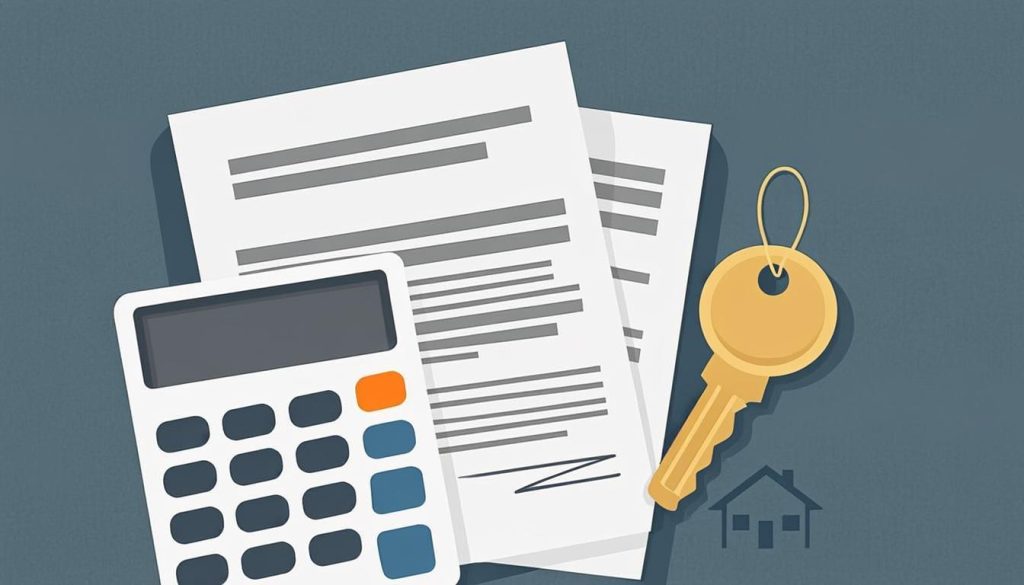
What lenders may assess at 90% LTV.
Having the deposit is important, but it does not determine eligibility by itself. Higher-LTV cases are assessed against the complete borrower and property profile.
Income and affordability
Salary, self-employed income, variable income, existing credit commitments and household expenditure can all influence how much a lender is prepared to advance.
Credit history
Lenders can consider your overall credit profile, including recent missed payments, defaults, county court judgments and the way existing credit is managed.
Deposit and source of funds
The lender will normally want evidence showing where the deposit has come from. Savings, gifted deposits and other sources can involve different documentation.
Employment or self-employment
PAYE, contracting, bonuses, commission, company-director income and self-employment may be assessed differently between lenders.
The property
Property value, construction, condition, tenure and other valuation findings can affect whether the property is acceptable security at the required LTV.
Mortgage term and borrower profile
Age, requested term, repayment method and the wider circumstances of the borrowers can also affect affordability and product availability.
10% deposits can apply to more than first-time buyers.
The relevant mortgage route depends on what you are doing with the property and how the lender assesses your circumstances.
First-time buyers
Buyers who have built a 10% deposit but need to understand affordability, lender criteria and the overall cost of purchasing their first home.
Home movers
Existing homeowners moving to another property where the cash deposit or available equity produces a mortgage requirement close to 90% LTV.
Self-employed applicants
Applicants whose income evidence may require a more detailed review of accounts, tax documents, salary, dividends or other earnings.
Applicants with credit issues
Mortgage options can depend on the type, amount, age and circumstances of any credit problems as well as the strength of the wider application.
Remortgagers with limited equity
A remortgage does not use a purchase deposit in the same way. The equivalent question is usually whether the outstanding loan represents around 90% of the property's current value.
Buying to let? A rental property is assessed differently from a standard residential home. See Lockwell Finance's Buy-to-Let mortgage route instead.
How 5%, 10% and 15% deposits change the LTV.
A larger deposit reduces the proportion of the property price you need to borrow. That can affect lender choice, affordability and product pricing, although actual options depend on the complete application.
| Deposit | Approx. LTV | Deposit on £250,000 | General position |
|---|---|---|---|
| 5% | 95% | £12,500 | Lower cash deposit, but a greater proportion of the property value is borrowed. |
| 10% | 90% | £25,000 | A common low-deposit route for buyers who can meet the lender's affordability and eligibility requirements. |
| 15% | 85% | £37,500 | Lower borrowing relative to the property value and potentially different mortgage options or pricing. |
Figures are simple illustrations only. A lender's valuation, affordability assessment, product criteria and other requirements determine the mortgage actually available.
How a 10% deposit mortgage case moves forward.
Start with the property and borrower details rather than assuming the lowest advertised rate will automatically be the right option.
Explain the purchase
Share the property price, available deposit, required mortgage, income, circumstances and target completion date.
Review the likely route
Consider affordability, LTV and relevant lender criteria before moving towards a particular mortgage application.
Prepare the application
Organise identification, income evidence, bank statements, deposit evidence and the property information required for the case.
Underwriting and valuation
The case then moves through lender underwriting, valuation, mortgage conditions and the legal stages required before completion.
What to have ready before discussing a mortgage.
You do not need to arrive with a completely packaged application. Providing the core information first makes it easier to identify what additional evidence may be needed.
Your 10% deposit is not the full cost of buying.
Keeping the deposit separate from the wider purchase budget can help avoid discovering additional costs late in the transaction.
- Lender product or arrangement fees may apply depending on the mortgage.
- Valuation or survey costs can vary according to the lender and survey chosen.
- Solicitor or conveyancing costs need to be budgeted separately.
- Property taxes may apply depending on the property, location and buyer circumstances.
- Moving, insurance and other property-related costs may also need to be considered.
What clients say about Lockwell Finance.
“Lockwell Finance made the mortgage process so easy and stress-free. I couldn’t have done it without their help!”Sarah J. First-Time Buyer
“The team was incredibly supportive and guided me through every step. Highly recommend!”John D. Home Mover
“Thanks to Lockwell Finance, I was able to secure a mortgage with a 10% deposit. They were fantastic!”Emily R. Investor
Questions about 10% deposit mortgages.
Mortgage requirements vary between lenders, so these answers provide general guidance rather than confirmation that a particular mortgage will be available.
What is a 10% deposit mortgage?
It is a mortgage where you provide approximately 10% of the property's value or purchase price and need to borrow the remaining 90%. This is commonly referred to as a 90% LTV mortgage.
Is a 10% deposit enough to get a mortgage?
It can be enough for some mortgages, but the deposit alone does not determine eligibility. The lender will also consider affordability, income, commitments, credit history, the property, valuation and its own lending criteria.
What does 90% LTV mean?
Loan-to-value compares the mortgage with the value of the property. If a £250,000 property is purchased using a £25,000 deposit and a £225,000 mortgage, the mortgage represents 90% of the property price, giving a 90% LTV.
Can a first-time buyer get a mortgage with a 10% deposit?
Potentially, yes. First-time buyers can have access to 90% LTV mortgages, subject to the lender's affordability assessment, product criteria, property requirements and the strength of the overall application.
Can I get a 10% deposit mortgage if I am self-employed?
Self-employment does not automatically prevent a 90% LTV mortgage. Lenders differ in the income evidence and trading history they require, so accounts, tax documentation and the way income is drawn may all be relevant.
Can I get a 90% LTV mortgage with bad credit?
It may be possible in some circumstances, but lender choice can be more limited. The type of credit issue, amount involved, when it occurred and the rest of the application can all affect the available options.
Is a 10% deposit better than a 5% deposit?
A 10% deposit reduces the amount borrowed compared with a 5% deposit on the same property. A lower LTV can affect the products and pricing available, but whether waiting to save a larger deposit is appropriate depends on your own circumstances.
Can I buy a home with less than a 10% deposit?
Some mortgages allow eligible borrowers to purchase with a smaller deposit, including certain 95% LTV products. Availability depends on current products, lender criteria, affordability and the property.
How long does a mortgage application take?
There is no single timeframe that applies to every application. The lender, document readiness, underwriting, valuation, property, legal work and any additional conditions can all affect how long the transaction takes.
What other costs should I budget for?
Depending on the case, costs can include mortgage or lender fees, broker fees, valuation or survey costs, legal fees, applicable property taxes, insurance and moving expenses. Lockwell Finance's current site-wide disclosure states that all applications have a non-refundable £599 booking fee payable on submission.
Tell us the property, deposit and mortgage you need.
Share the purchase price, available deposit, required mortgage amount, income position and target date. The team can then review the circumstances and explain the information needed for the next step.