
Ground-up development
Projects moving from site acquisition through construction and completion, subject to planning, costs, valuation, experience and exit.
Development finance can fund property construction, conversion and substantial redevelopment where borrowing needs to follow the project from acquisition or refinance through works, drawdowns and a defined exit.
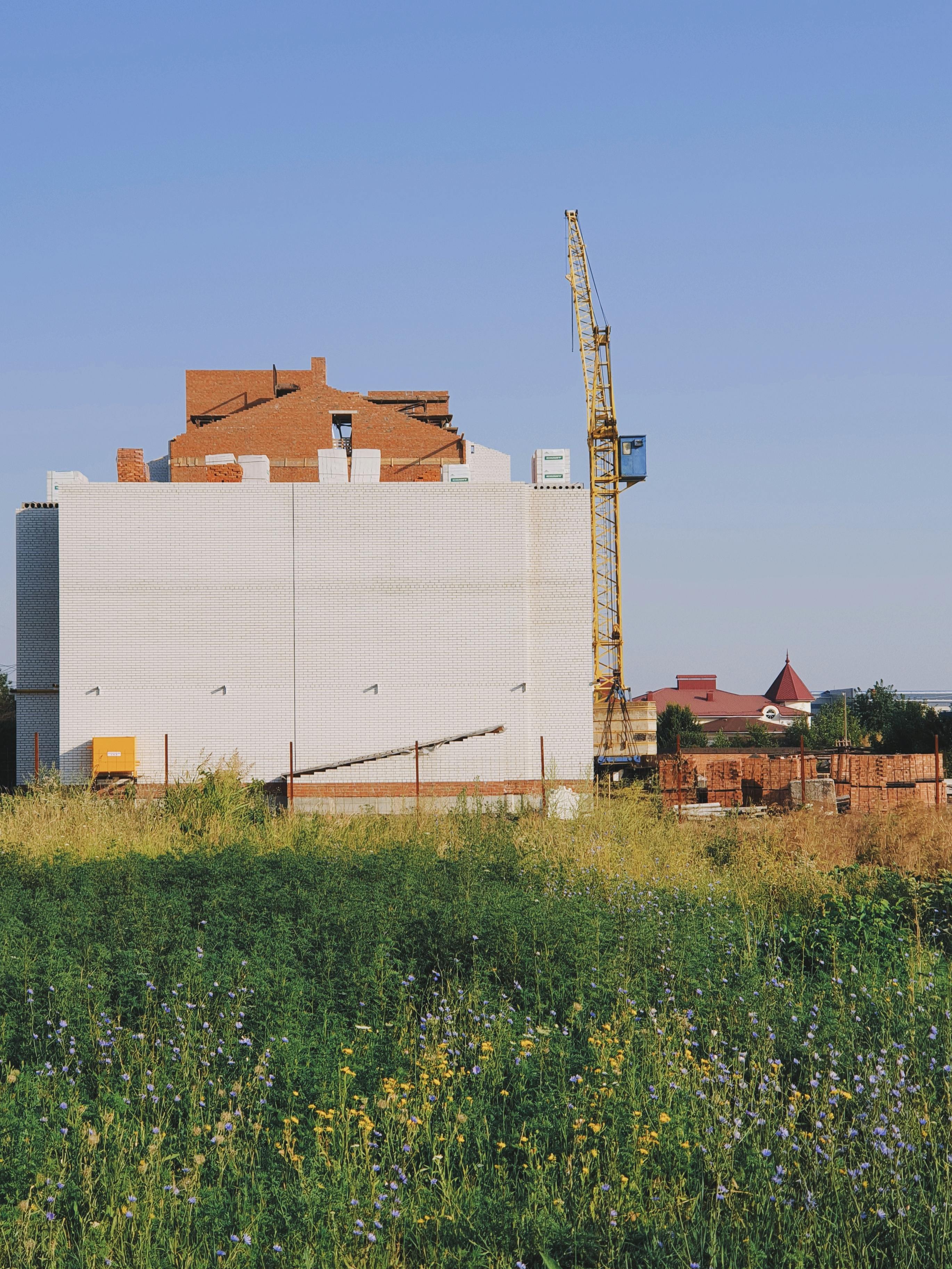
Development finance is property-secured funding designed around a construction or redevelopment project rather than a completed property alone.
The lender typically assesses the site or property, proposed works, development costs, expected completed value, borrower experience and planned repayment route. Depending on the case, the facility may include an initial advance and later drawdowns as the project progresses.
It differs from a standard mortgage because the lender is underwriting a changing asset and a delivery plan. It can also differ from a bridging loan, which may suit shorter-term or less construction-led funding needs.
The right structure depends on what is being built or changed, how much work remains, when funds are needed and how the facility will be repaid.
Projects moving from site acquisition through construction and completion, subject to planning, costs, valuation, experience and exit.
Conversions can require development funding where the proposed work materially changes the use, layout or value of the property.
Where works are structural or construction-led, development finance may fit better than lighter refurbishment bridging.
A project already under way may need a new facility where the existing funding no longer fits the remaining costs or programme.
Some schemes use more than one layer of funding. Total cost, completed value, security priority and exit all need to reconcile.
Lenders consider track record alongside the contractor, professional team, borrower structure, financial position and complexity of the project.
A strong application connects the property, costs, programme, borrower and exit with consistent evidence.
Title, permissions, current condition, proposed use and restrictions that may affect delivery or value.
Purchase or refinance requirement, build costs, professional fees, contingency and funds already invested.
The security today and the expected value after the agreed works, supported by appropriate valuation evidence.
Track record, company structure, contractor and professional team, financial position and ability to deliver the scheme.
When funds are required, how progress will be monitored and which dependencies could affect completion.
Sale, refinance or another evidenced route should be credible before the facility is agreed.
Development finance can involve an initial advance followed by further releases as works progress and agreed conditions are met.
Set out the acquisition or refinance requirement, costs, borrower contribution and total funding need.
The lender assesses the security, planning, project, borrower and completed-value assumptions.
The agreed first amount is used for the purchase, refinance or other permitted project costs.
Further funds may be released against verified progress and the agreed development programme.
The facility is repaid through the planned sale, refinance or another agreed repayment route.
Clear information reduces avoidable underwriting questions and makes realistic structures easier to compare.
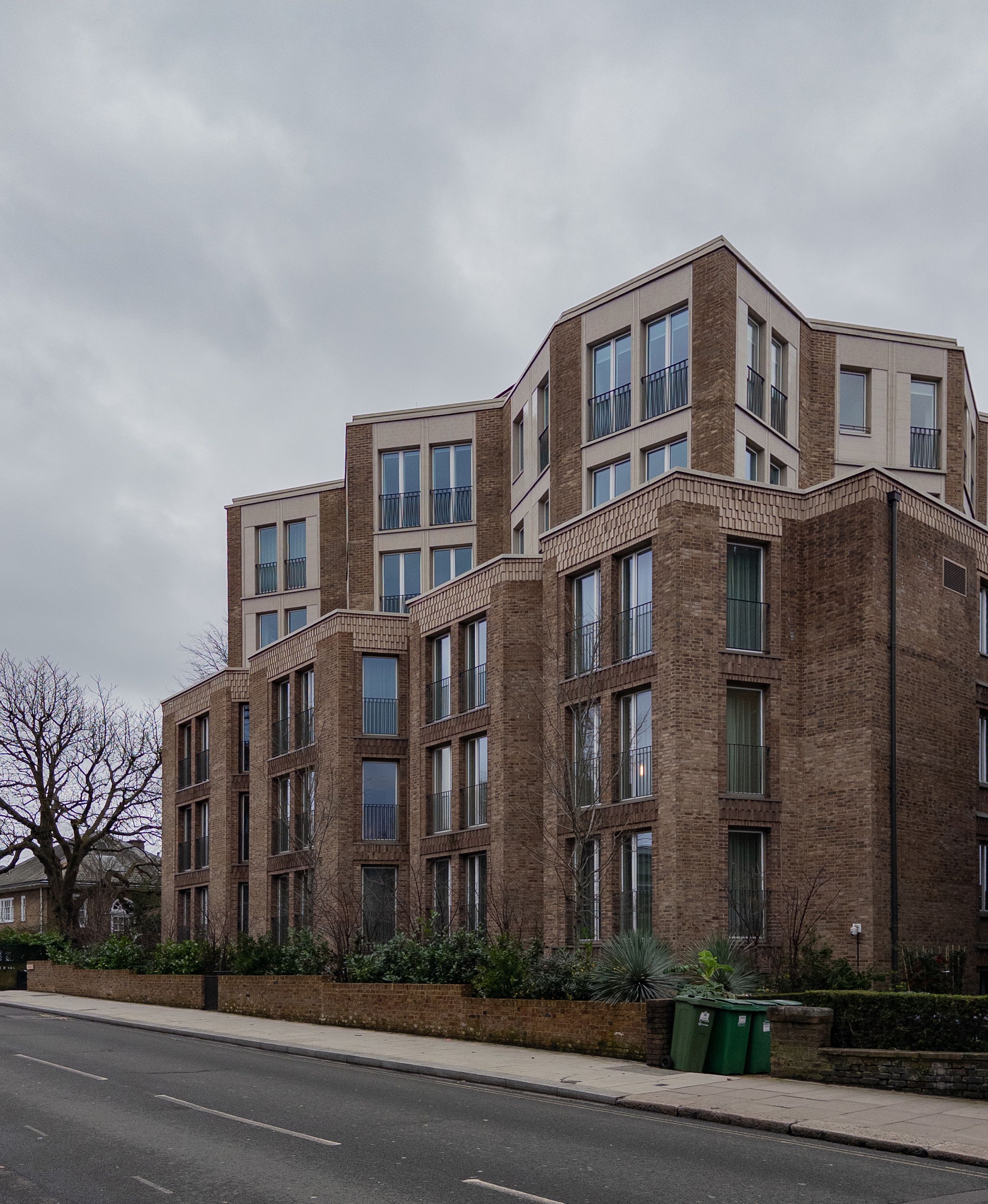
The repayment route should remain credible even if the development programme or sales period changes.
Individual sales, a block disposal or sale of the completed property can repay the facility where the assumptions are realistic.
Where the property will be retained, the exit may be an appropriate investment or commercial facility subject to separate underwriting.
Where construction debt matures before all units are sold or refinanced, a separate developer exit loan may be considered.
These guides cover distinct project or borrower situations without competing with the broad development finance page.
Pricing, leverage, eligibility and timing vary by project and lender.
New builds, conversions and substantial redevelopment can be considered where the funding needs to follow the project through works and completion.
Development finance is usually structured around construction or substantial works and can include staged drawdowns. Bridging is often used for shorter-term or less construction-led needs.
Experience can affect lender appetite, especially on complex projects. The project team, borrower contribution, financial position and overall case also matter.
Further funds may be released as the project progresses and agreed conditions are met. A monitoring surveyor or other professional may review progress.
The property, planning, development budget, completed value, programme, borrower, team, borrower contribution, legal position and exit are common areas of assessment.
The facility is normally repaid from the planned sale or refinance. If more time is required after completion, developer exit finance may be considered.
Start with the property address, planning status, project description, cost schedule, completed-value assumptions, experience, funding required, target dates and exit.
Share the site, planning position, development budget, amount required, programme, borrower experience and repayment strategy.
Mortgage and finance availability is subject to status, affordability, valuation, lender criteria and underwriting. Your home or property may be repossessed if you do not keep up repayments on your mortgage or another debt secured against it. Information on this page is general and does not constitute legal, tax or financial advice.