
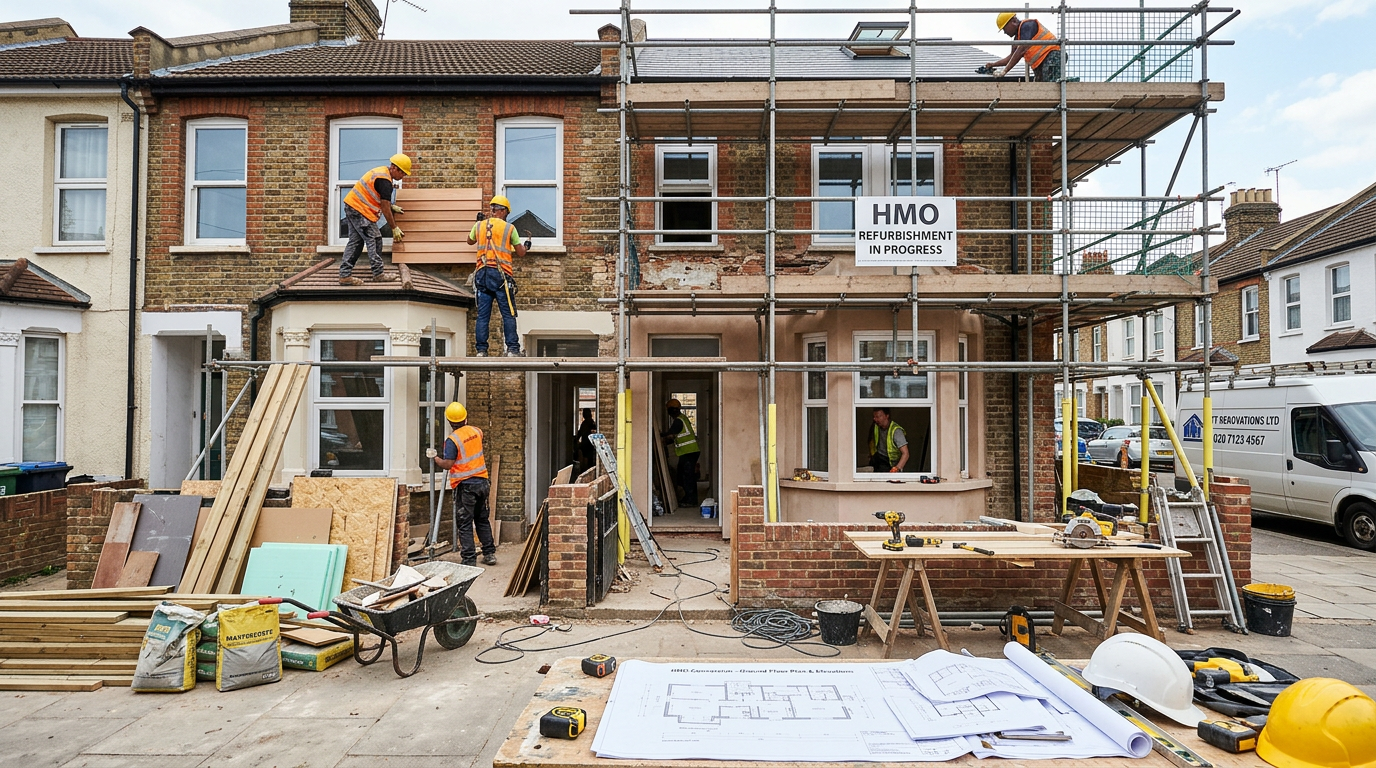
Understanding HMO Conversion
A House in Multiple Occupation (HMO) is defined as a property rented out by at least three people who are not from one household but share facilities like the bathroom and kitchen. Converting a house into an HMO can be a lucrative investment strategy for landlords, particularly in urban areas where demand for rental accommodation is high. The benefits of converting a house to an HMO include increased rental yields, reduced vacancy rates, and the ability to attract a diverse tenant base. With the rising cost of living, many individuals seek affordable housing options, making HMOs an appealing choice.
One of the primary advantages of HMO conversion is the potential for higher rental income. For instance, a standard three-bedroom house might rent for £1,200 per month, while the same property converted into an HMO could yield upwards of £2,500 per month, depending on the local market. Moreover, HMOs typically experience lower vacancy rates compared to traditional buy-to-let properties, as they cater to a broader demographic, including students, professionals, and transient workers.
Additionally, converting a house into an HMO can enhance property value. Properties that generate higher rental income are often more attractive to investors, leading to increased property valuation. Furthermore, landlords may benefit from reduced risk during economic downturns, as HMOs can provide a steady income stream from multiple tenants rather than relying on a single tenant to cover the mortgage and other expenses.
However, it’s essential to consider the regulatory requirements and compliance issues associated with HMO conversions, such as obtaining the necessary licenses and adhering to safety regulations. Overall, HMO conversion presents a compelling opportunity for property investors looking to maximize their returns.
What is a Refurbishment Bridging Loan?
A refurbishment bridging loan is a short-term financing option designed to provide immediate funds for property renovation or refurbishment projects. This type of loan is particularly useful for investors looking to convert a property into an HMO, as it allows them to secure the necessary capital quickly and efficiently. The primary purpose of a refurbishment bridging loan is to cover the costs associated with property improvements, enabling investors to increase the property’s value and rental potential.
Bridging loans work by providing a lump sum of money that can be used to purchase a property or finance refurbishment work. Unlike traditional mortgages, which can take weeks or even months to process, bridging loans can be approved in as little as a few days. This speed is crucial for property investors who need to act quickly to secure a deal or complete urgent renovations.
For HMO conversions, refurbishment bridging loans can cover various costs, including structural work, interior renovations, and compliance upgrades to meet local regulations. Investors can use these funds to make necessary improvements that will enhance the property’s appeal to potential tenants, thus increasing rental income. Once the refurbishment is complete, investors can either refinance the property with a traditional mortgage or sell it for a profit.
Overall, refurbishment bridging loans offer a flexible and efficient financing solution for property investors looking to undertake HMO conversions. They provide the necessary capital to transform a property quickly, allowing investors to capitalize on market opportunities and maximize their returns.
Why Choose a Bridging Loan for HMO Conversions?
Choosing a bridging loan for HMO conversions offers several distinct advantages that make it an attractive financing option for property investors. One of the primary benefits is the speed of funding. Traditional financing methods can be slow, often taking weeks or even months to secure. In contrast, bridging loans can be approved and funded in a matter of days, allowing investors to act quickly on property opportunities that may not be available for long.
Another significant advantage of bridging loans is their flexibility in financing. Unlike conventional mortgages, which often have strict criteria and limitations, bridging loans can be tailored to meet the specific needs of the borrower. This flexibility allows investors to secure funding for various aspects of their HMO conversion, including purchase costs, refurbishment expenses, and even additional working capital if needed.
Bridging loans also serve as a short-term solution for investors who may not have immediate access to funds. For example, an investor may find a property at auction that requires quick financing to secure the deal. A bridging loan can provide the necessary funds, allowing the investor to complete the purchase and then refinance or sell the property once the refurbishment is complete.
Moreover, bridging loans are often assessed based on the property’s potential value rather than the borrower’s credit history. This means that even investors with less-than-perfect credit scores can still access funding for their HMO conversions. This aspect can be particularly beneficial for new investors or those looking to expand their property portfolio.
In summary, the speed, flexibility, and accessibility of bridging loans make them an ideal choice for financing HMO conversions. Investors can leverage these loans to quickly transform properties into profitable rental units, maximizing their investment potential.
Key Features of HMO Conversion Loans in the UK
HMO conversion loans in the UK come with several key features that make them suitable for property investors looking to finance their projects. Understanding these features is essential for making informed borrowing decisions.
- Loan Amounts and Terms: HMO conversion loans typically range from £50,000 to several million pounds, depending on the property’s value and the extent of the refurbishment required. Loan terms can vary from a few months to a couple of years, allowing investors to choose a duration that aligns with their project timeline.
- Interest Rates: Interest rates for HMO conversion loans can vary significantly based on the lender, the borrower’s financial profile, and the perceived risk of the project. Generally, rates can range from 0.5% to 2% per month. Investors should compare different lenders to find the most competitive rates.
- Eligibility Criteria: Lenders typically assess eligibility based on several factors, including the property’s current value, projected value post-refurbishment, the borrower’s creditworthiness, and the viability of the HMO project. A well-prepared business plan showcasing the expected rental income can strengthen an application.
Additionally, many lenders require a minimum deposit, often around 25% of the property’s value, which helps mitigate their risk. Some lenders may also offer higher loan-to-value (LTV) ratios for experienced investors or those with a proven track record in property refurbishment.
Understanding these key features can help investors navigate the HMO conversion loan landscape more effectively, ensuring they secure the right financing for their projects.
The Process of Securing a Bridging Loan for HMO Refurbishment
Securing a bridging loan for HMO refurbishment involves a systematic process that requires careful preparation and documentation. Here’s a step-by-step guide to help investors navigate this process effectively.
- Assess Your Needs: Determine the amount of funding required for the HMO conversion, including purchase costs, refurbishment expenses, and any additional working capital. This assessment will help you identify the right loan amount and terms.
- Research Lenders: Explore various lenders offering bridging loans for HMO conversions. Compare interest rates, loan terms, and eligibility criteria to find the most suitable option for your needs.
- Prepare Documentation: Gather the necessary documentation to support your loan application. This may include proof of income, credit history, property valuation reports, and a detailed business plan outlining the refurbishment project and expected rental income.
- Submit Your Application: Once you have selected a lender, submit your application along with the required documentation. Ensure that all information is accurate and complete to avoid delays in processing.
- Property Valuation: The lender will conduct a property valuation to assess its current value and potential value post-refurbishment. This step is crucial in determining the loan amount and terms.
- Loan Approval: If your application is approved, you will receive a loan offer detailing the terms and conditions. Review this offer carefully before accepting it.
- Funding Disbursement: Once you accept the loan offer, the lender will disburse the funds, allowing you to commence the refurbishment project.
- Completion and Repayment: After completing the refurbishment, you can either refinance the property with a traditional mortgage or sell it. Ensure you have a clear repayment strategy in place to avoid any financial pitfalls.
The entire process can take anywhere from a few days to several weeks, depending on the lender and the complexity of the application. By following these steps and preparing thoroughly, investors can secure the necessary funding for their HMO refurbishment projects efficiently.
Common Challenges in HMO Conversion Financing
While financing an HMO conversion can be a rewarding venture, several common challenges may arise during the process. Understanding these challenges can help investors prepare and navigate potential pitfalls effectively.
- Valuation Issues: One of the primary challenges in securing financing for HMO conversions is property valuation. Lenders may have strict criteria regarding the expected rental income and property value post-refurbishment. If the valuation falls short, it may result in a lower loan amount or unfavorable terms.
- Regulatory Hurdles: HMO conversions are subject to various regulations and licensing requirements, which can vary by local authority. Investors must ensure compliance with safety standards, planning permissions, and licensing regulations. Failure to comply can lead to delays in financing and potential legal issues.
- Market Risks: The property market can be unpredictable, and economic fluctuations may impact rental demand and property values. Investors must conduct thorough market research to assess the viability of their HMO project and mitigate potential risks associated with changing market conditions.
Additionally, securing a bridging loan can be more challenging for first-time investors or those with limited experience in property refurbishment. Lenders may require a more robust application and documentation to assess the borrower’s capability to manage the project successfully.
By being aware of these challenges and preparing accordingly, investors can enhance their chances of securing financing for their HMO conversions and achieving successful outcomes.
Case Studies: Successful HMO Conversions
Examining real-life examples of successful HMO conversions can provide valuable insights into the potential benefits of refurbishment bridging loans. Here are a few case studies that highlight how investors have leveraged these loans to achieve remarkable results.
One notable example is an investor who purchased a three-bedroom house in a university town for £250,000. The property required significant refurbishment to meet HMO standards, including the installation of additional bathrooms and kitchen facilities. The investor secured a refurbishment bridging loan of £100,000 to cover the purchase and renovation costs.
After completing the refurbishment, the property was converted into a six-bedroom HMO, attracting students and young professionals. The investor was able to charge £450 per room, resulting in a total monthly rental income of £2,700. Within a year, the property’s value increased to £350,000, allowing the investor to refinance with a traditional mortgage and repay the bridging loan.
Another case involved a property developer who acquired an old commercial building for £500,000. The developer secured a £200,000 refurbishment bridging loan to convert the building into a mixed-use HMO with commercial space on the ground floor and residential units above. The project faced initial challenges, including regulatory hurdles and unexpected renovation costs. However, with careful planning and execution, the developer successfully completed the project within six months.
The mixed-use HMO generated a monthly rental income of £4,500, significantly exceeding the initial projections. The developer was able to refinance the property, repay the bridging loan, and reinvest the profits into additional projects.
These case studies illustrate the transformative potential of HMO conversions when supported by refurbishment bridging loans. By leveraging these financial tools, investors can unlock new opportunities and achieve substantial returns on their investments.
Tips for a Successful HMO Conversion Project
Successfully converting a house into an HMO requires careful planning and execution. Here are some essential tips to ensure a smooth and profitable HMO conversion project:
- Planning and Budgeting: Develop a detailed project plan that outlines the scope of work, timeline, and budget. Allocate funds for unforeseen expenses and ensure that your budget aligns with the expected rental income to maintain profitability.
- Choosing the Right Contractors: Select experienced contractors who specialize in HMO conversions. Conduct thorough research, check references, and obtain multiple quotes to ensure you hire qualified professionals who can deliver quality work on time.
- Compliance with Local Regulations: Familiarize yourself with local regulations and licensing requirements for HMOs. Ensure that your property meets safety standards, including fire regulations, electrical safety, and health and safety compliance.
- Market Research: Conduct thorough market research to understand the demand for HMO accommodation in your area. Identify your target tenant demographic and tailor your refurbishment to meet their needs and preferences.
- Effective Marketing: Once the refurbishment is complete, develop a marketing strategy to attract tenants. Utilize online platforms, social media, and local advertising to promote your HMO and highlight its unique features.
By following these tips, investors can enhance their chances of success in HMO conversion projects, maximizing their rental income and property value.
Alternatives to Bridging Loans for HMO Refurbishment
While bridging loans offer a fast and flexible financing option for HMO conversions, there are several alternatives that investors may consider. Each option comes with its own advantages and disadvantages, making it essential to evaluate them based on individual circumstances.
- Traditional Mortgages: Standard buy-to-let mortgages can be a viable option for financing HMO conversions, especially for investors with a solid credit history and stable income. However, these loans typically have stricter eligibility criteria and longer processing times compared to bridging loans.
- Personal Loans: Unsecured personal loans can provide quick access to funds for smaller refurbishment projects. However, interest rates may be higher, and borrowing limits may not cover larger HMO conversion costs.
- Government Grants: In some cases, government grants or funding programs may be available to support property renovations, particularly for energy efficiency improvements. However, these grants often come with specific eligibility requirements and may not cover the full scope of HMO conversion costs.
Investors should carefully assess their financial situation, project requirements, and long-term goals when considering alternatives to bridging loans. Each option has its own set of benefits and limitations, and the best choice will depend on individual circumstances.
Conclusion: Making the Right Financing Choice for Your HMO
In conclusion, converting a house into an HMO can be a lucrative investment strategy, offering increased rental yields and reduced vacancy rates. Understanding the various financing options available, including refurbishment bridging loans, is crucial for successfully navigating the HMO conversion process.
Bridging loans provide a fast and flexible solution for securing the necessary funds to complete refurbishment projects, enabling investors to capitalize on market opportunities quickly. However, it’s essential to consider the associated challenges, such as valuation issues and regulatory hurdles, and to prepare accordingly.
By following best practices for HMO conversions and exploring alternative financing options, investors can enhance their chances of success and maximize their returns. Ultimately, making informed financing choices will play a pivotal role in the overall success of your HMO conversion project.
Frequently Asked Questions
What is an HMO conversion refurbishment bridging loan?
A short-term loan to finance the conversion of a house into an HMO.
How quickly can I get a bridging loan for HMO conversion?
Bridging loans can be approved in as little as a few days.
What are the eligibility criteria for HMO conversion loans?
Criteria include property value, borrower’s creditworthiness, and project viability.
Can I use a bridging loan for refurbishment costs?
Yes, bridging loans can cover both purchase and refurbishment costs.
What are the risks associated with HMO conversions?
Risks include market fluctuations, regulatory changes, and potential for delays.
